Fibroadenoma Excision What is Fibroadenoma Excision? Fibroadenoma excision is a surgical procedure to remove fibroadenomas—benign …
A Skin-Sparing or Nipple-Sparing Mastectomy (SSM/NSM) is an advanced breast cancer surgery designed to remove cancerous tissue while preserving the breast’s natural skin and, in some cases, the nipple-areolar complex (NAC). This technique offers both oncologic safety and superior cosmetic results, making it a preferred option for women planning immediate breast reconstruction.
By maintaining most of the breast skin envelope—and sometimes the nipple and areola—patients can achieve a more natural breast shape and appearance after surgery, reducing the psychological impact often associated with mastectomy.
In a Skin-Sparing Mastectomy (SSM), the surgeon removes all breast tissue and the nipple-areola complex but preserves most of the natural skin. This allows for immediate reconstruction, helping restore a natural contour with minimal scarring.
In a Nipple-Sparing Mastectomy (NSM), both the breast skin and the nipple-areola complex are preserved, maintaining the external look of the breast to a greater extent. However, NSM is only suitable for selected patients where the cancer is not close to or involving the nipple, to ensure complete cancer removal and prevent recurrence.
Reconstruction can be performed immediately after surgery using either:
Implants (saline or silicone), or
Autologous tissue (from another part of the body, such as the abdomen or back).
Immediate reconstruction not only minimizes the need for multiple surgeries but also enhances psychological recovery and confidence post-treatment.
SSM and NSM are most commonly performed in patients with breast cancer or those at high genetic risk of developing it. These procedures may be recommended in the following situations:
Early-Stage Breast Cancer:
Ideal for patients with localized tumors confined to the breast tissue and no spread to the skin or nipple area.
Prophylactic (Preventive) Surgery:
Women with high-risk genetic mutations such as BRCA1 or BRCA2 may choose preventive mastectomy to reduce future cancer risk while preserving cosmetic appearance.
Ductal Carcinoma In Situ (DCIS):
For non-invasive cancers confined to the milk ducts, where preserving the nipple and skin is safe.
Aesthetic Considerations:
Patients who prioritize maintaining the natural breast shape and skin texture—especially when immediate reconstruction is planned—often prefer these techniques.
Symptoms prompting evaluation for breast cancer include:
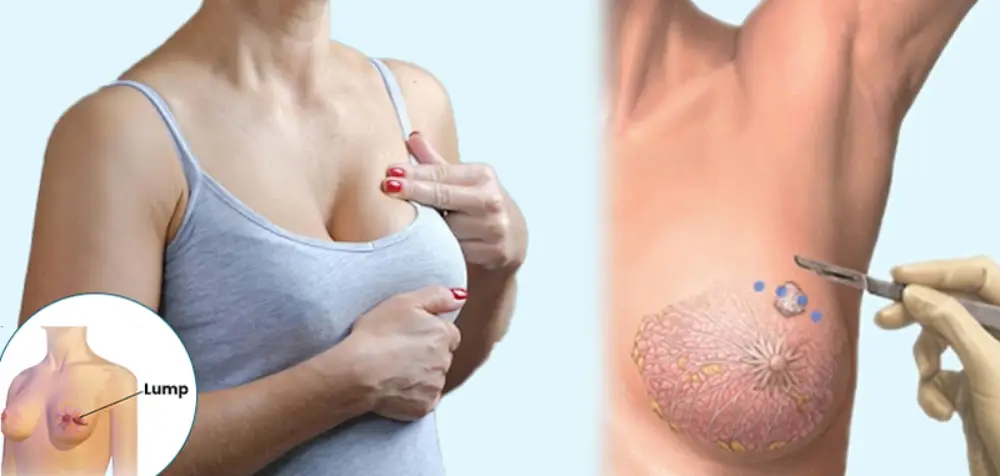
A lump or thickening in the breast or underarm
Changes in breast shape or size
Unusual nipple discharge, especially if bloody
Skin dimpling or puckering
Redness or pain in the breast that persists
For high-risk patients, even in the absence of symptoms, preventive SSM or NSM may be advised to minimize future cancer risk.
Preserves natural breast skin and, in NSM, the nipple-areolar complex
Enhances cosmetic outcomes and improves self-image
Allows for immediate reconstruction in the same surgery
Reduces psychological distress associated with total breast removal
Offers comparable oncologic safety when performed on eligible candidates
After the procedure, patients are typically advised to:
Rest for the initial 1–2 weeks, avoiding strenuous activities
Follow wound care instructions to prevent infection
Wear supportive garments as recommended
Attend follow-up visits to monitor healing and recovery
Begin gentle shoulder exercises to maintain mobility (as advised by the surgeon)
Most patients resume normal routines within a few weeks, though full recovery may take longer depending on the type of reconstruction performed.
1. Who is eligible for a nipple-sparing mastectomy?
Patients with early-stage breast cancer or those undergoing preventive surgery may be candidates if the cancer is not near the nipple or skin surface.
2. Is it safe to preserve the nipple during mastectomy?
Yes, in selected patients. Advanced imaging and intraoperative testing ensure there are no cancer cells in the preserved tissue before proceeding.
3. What type of reconstruction works best after SSM or NSM?
Both implant-based and autologous tissue reconstruction can provide excellent results. The choice depends on patient preference, body type, and medical suitability.
4. Will sensation in the nipple or breast be preserved?
In most cases, sensation is reduced or lost, especially after NSM. However, some nerve recovery may occur over time.
5. How long is the recovery period?
Initial healing takes about 2–3 weeks, with complete recovery varying based on reconstruction type and individual healing response.
Fibroadenoma Excision What is Fibroadenoma Excision? Fibroadenoma excision is a surgical procedure to remove fibroadenomas—benign …
Breast Cysts Excision What is Breast Cyst Excision? Breast cyst excision is a surgical procedure …
Simple Mastectomy What is a Simple Mastectomy? A simple mastectomy, also called a total mastectomy, …
Breast Conservation Surgery What is Breast Conservation Surgery? Breast Conservation Surgery (BCS), also known as …
Jupiter Hospital, Thane
Service Rd, Eastern Express Hwy, next to Viviana Mall, Thane, Maharashtra 400601, India
KIMS Hospitals, Thane
Hiranandani Estate Queens Street, Ghodbunder Rd, opposite BRENTFORD, Patlipada, Thane West, Maharashtra 400607, India
Kaushalya Medical Foundation Trust Hospital. Thane
Ganeshwadi, behind Nitin Company, Panch Pakhdi, Thane, Maharashtra 400601, India
Horizon Prime Hospital, Thane
Vibgyor, Ghodbunder Rd, near Hiranandani Estate, behind Ritu Nissan Showroom, B Wing, Patlipada, Thane West, Thane, Maharashtra 400607, India
Tieten Medicity Hospital, Thane
Ghodbunder Rd, Kasarvadavali, Thane West, Thane, Maharashtra 400615, India
Currare Hospital, Thane
GHC Hospitals. Kalwa
Shil Road, Kausa, Mumbra, Thane, Maharashtra 400612, India
Bilal Hospital & ICU. Kalwa
1st Floor, A, Wing Royal Garden, Old, Mumbai – Pune Rd, near Shimla Park, Shimla Park, Kausa, Mumbra, Thane, Maharashtra 400612, India

At Dr. Ritika Bhandari’s Breast Health Clinic, we provide advanced, compassionate, and personalized care for all breast-related concerns. As a Breast Cancer Surgeon in Thane, Dr. Ritika Bhandari offers expert guidance for breast cancer diagnosis, treatment, and surgical care.