Fibroadenoma Excision What is Fibroadenoma Excision? Fibroadenoma excision is a surgical procedure to remove fibroadenomas—benign …
A simple mastectomy, also called a total mastectomy, is a surgical procedure where the entire breast tissue is removed. Unlike a modified radical mastectomy, this surgery does not involve removal of lymph nodes or muscles under the breast. It is commonly performed for early-stage breast cancer, or as a preventive surgery for women at high risk of developing breast cancer.
The main reason for a simple mastectomy is breast cancer treatment or prevention. Some key indications include:
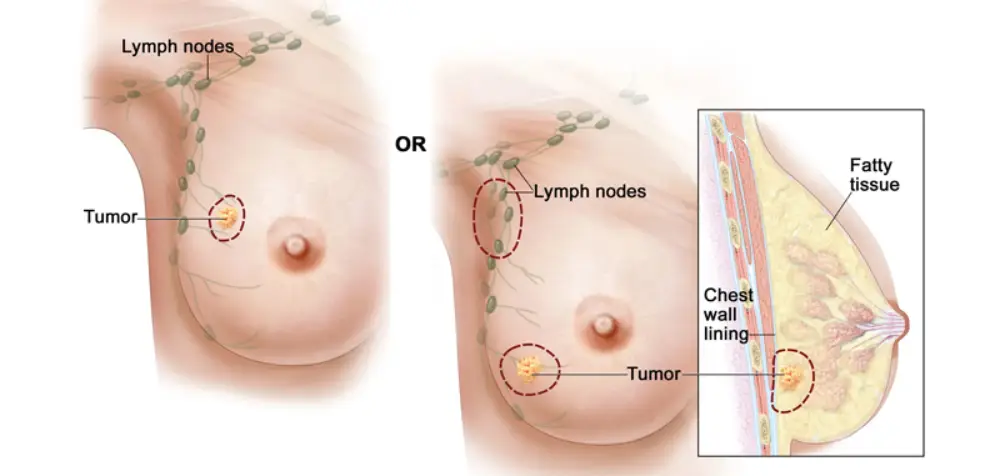
Breast Cancer Diagnosis – When cancer is localized to the breast and has not spread to lymph nodes.
Invasive or Ductal Carcinoma – If cancer spreads within breast tissue, removal helps prevent progression.
High Genetic Risk – Women with BRCA1 or BRCA2 mutations or strong family history may choose prophylactic mastectomy for prevention.
Recurrent or Aggressive Benign Conditions – Rarely, aggressive non-cancerous conditions like lobular carcinoma in situ (LCIS) may require mastectomy.
Doctors may recommend a simple mastectomy if a patient presents with:
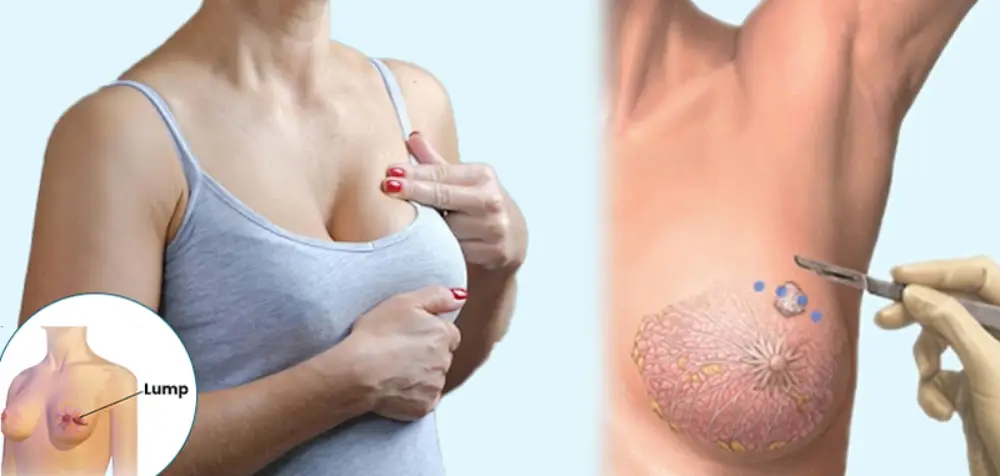
A lump or mass detected in the breast
Changes in breast size or shape, including dimpling or asymmetry
Nipple discharge (bloody, clear, or unusual) or nipple inversion
Skin changes such as redness, thickening, or irritation over the breast
Persistent breast pain not linked to other causes
Anesthesia – The surgery is performed under general anesthesia.
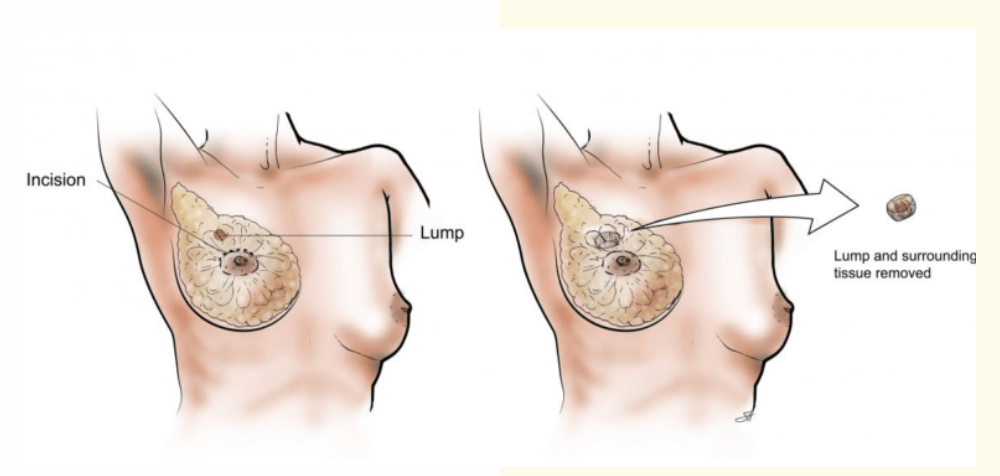
Breast removal – The entire breast tissue, including the nipple and areola, is removed through a surgical incision.
Hospital stay – Most patients stay in the hospital for 1–2 days after surgery.
Recovery – Healing usually takes 4–6 weeks, though patients can resume light activities sooner.
Reconstruction option – Many women choose breast reconstruction surgery, either immediately or at a later stage, to restore breast shape.
Post-surgery care may involve additional treatments based on the type and stage of cancer:
Chemotherapy – To target any remaining cancer cells.
Radiation therapy – To reduce the risk of recurrence.
Hormone therapy – For hormone-sensitive cancers.
Targeted therapy – In selected cases for advanced or specific cancer subtypes.
Mild pain, swelling, or tightness may occur in the chest area after surgery.
Drains may be placed to prevent fluid buildup and are removed in follow-up visits.
Gentle exercises help restore arm movement and prevent stiffness.
Regular follow-up care ensures proper healing and cancer surveillance.
While a simple mastectomy is generally safe, possible risks include:
Infection or bleeding at the surgical site
Scar formation or changes in chest appearance
Temporary or permanent numbness in the chest area
Emotional impact of breast loss, which can be managed with counseling and reconstruction options
1. What is the difference between a simple mastectomy and a modified radical mastectomy?
A simple mastectomy removes only breast tissue, while a modified radical mastectomy also removes lymph nodes.
2. Can I have breast reconstruction after a simple mastectomy?
Yes. Reconstruction can be done immediately during surgery or at a later stage, depending on patient preference and medical advice.
3. How long is recovery after a mastectomy?
Most women recover in 4–6 weeks, though light activities may resume sooner.
4. Will I need further treatment after surgery?
It depends on the cancer stage. Some women may need chemotherapy, radiation, or hormone therapy after surgery.
5. Is mastectomy always necessary for breast cancer?
Not always. In some cases, a lumpectomy (breast-conserving surgery) may be an option. Your doctor will recommend the most suitable treatment.
Fibroadenoma Excision What is Fibroadenoma Excision? Fibroadenoma excision is a surgical procedure to remove fibroadenomas—benign …
Breast Cysts Excision What is Breast Cyst Excision? Breast cyst excision is a surgical procedure …
Breast Conservation Surgery What is Breast Conservation Surgery? Breast Conservation Surgery (BCS), also known as …
Modified Radical Mastectomy What is a Modified Radical Mastectomy? A Modified Radical Mastectomy (MRM) is …
Jupiter Hospital, Thane
Service Rd, Eastern Express Hwy, next to Viviana Mall, Thane, Maharashtra 400601, India
KIMS Hospitals, Thane
Hiranandani Estate Queens Street, Ghodbunder Rd, opposite BRENTFORD, Patlipada, Thane West, Maharashtra 400607, India
Kaushalya Medical Foundation Trust Hospital. Thane
Ganeshwadi, behind Nitin Company, Panch Pakhdi, Thane, Maharashtra 400601, India
Horizon Prime Hospital, Thane
Vibgyor, Ghodbunder Rd, near Hiranandani Estate, behind Ritu Nissan Showroom, B Wing, Patlipada, Thane West, Thane, Maharashtra 400607, India
Tieten Medicity Hospital, Thane
Ghodbunder Rd, Kasarvadavali, Thane West, Thane, Maharashtra 400615, India
Currare Hospital, Thane
GHC Hospitals. Kalwa
Shil Road, Kausa, Mumbra, Thane, Maharashtra 400612, India
Bilal Hospital & ICU. Kalwa
1st Floor, A, Wing Royal Garden, Old, Mumbai – Pune Rd, near Shimla Park, Shimla Park, Kausa, Mumbra, Thane, Maharashtra 400612, India

At Dr. Ritika Bhandari’s Breast Health Clinic, we provide advanced, compassionate, and personalized care for all breast-related concerns. As a Breast Cancer Surgeon in Thane, Dr. Ritika Bhandari offers expert guidance for breast cancer diagnosis, treatment, and surgical care.