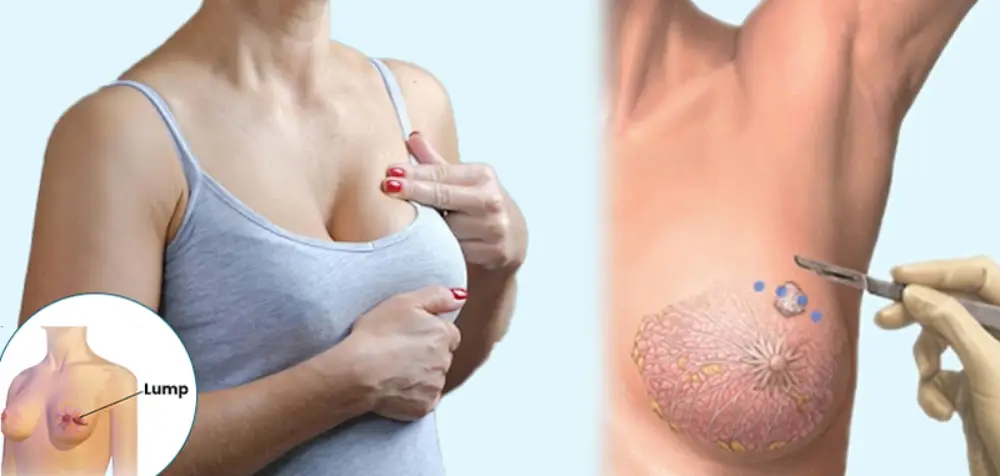
Fibroadenoma Excision What is Fibroadenoma Excision? Fibroadenoma excision is a surgical procedure to remove fibroadenomas—benign …
Breastfeeding provides essential nutrition and immunity for infants, but many new mothers face challenges that can make the process difficult or painful. Understanding common breastfeeding-related issues helps in early recognition and effective management.
Cause: Often due to improper positioning or anatomical issues, such as tongue-tie (ankyloglossia), which restricts tongue movement.
Symptoms:
Nipple pain, soreness, cracks, or bleeding
Infant frustration, frequent hunger, or slow weight gain
Poor milk transfer
Cause: Occurs when milk production exceeds milk removal, typically in the first days postpartum as milk supply stabilizes.
Symptoms:
Hard, swollen, and painful breasts
Warmth and redness over the breast
Difficulty for the infant to latch due to firmness
Cause: Blocked milk ducts can lead to inflammation and sometimes bacterial infection, often caused by infrequent feeding or incomplete emptying of the breast.
Symptoms:
Red, swollen, and painful breast areas
Flu-like symptoms: fever, chills, fatigue
Cause: Poor milk drainage, tight clothing, skipped feedings, or incorrect feeding technique.
Symptoms:
Localized, tender lump in the breast
Hardness, swelling, and pain in the affected area
Cause: Infrequent breastfeeding, stress, dehydration, certain medications, hormonal imbalances, or anatomical issues.
Symptoms:
Infant poor weight gain
Prolonged feeding sessions and fussiness
Breasts not feeling full as expected
Cause: Improper latch, thrush (fungal infection), or dry skin.
Symptoms:
Sharp, intense nipple pain
Cracks, bleeding, or flaking
Thrush may cause itchy, flaky nipples and radiating breast pain
Cause: Overgrowth of yeast due to antibiotics, warm/moist environments, or oral thrush in infants.
Symptoms:
Sharp, stabbing nipple pain
Infants may have white patches in the mouth or diaper rash
Cause: Excessive milk flow due to an overabundant supply.
Symptoms:
Infant may cough, choke, or pull away during feeds
Mothers notice milk leaking or spraying excessively
Seek prompt guidance if you experience:
Persistent nipple pain or cracks
Red, swollen, or warm breasts with fever
Painful lumps or blocked ducts that don’t improve
Infant struggling to feed or poor weight gain
Signs of infection, thrush, or overactive letdown affecting feeding
Early evaluation by a lactation consultant or physician can prevent complications, improve breastfeeding success, and ensure comfort for both mother and baby.
Fibroadenoma Excision What is Fibroadenoma Excision? Fibroadenoma excision is a surgical procedure to remove fibroadenomas—benign …
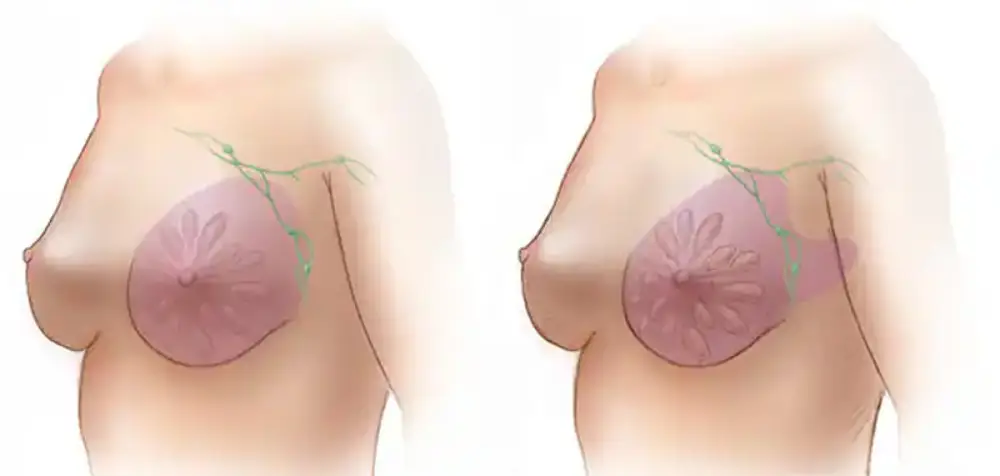
Breast Cysts Excision What is Breast Cyst Excision? Breast cyst excision is a surgical procedure …
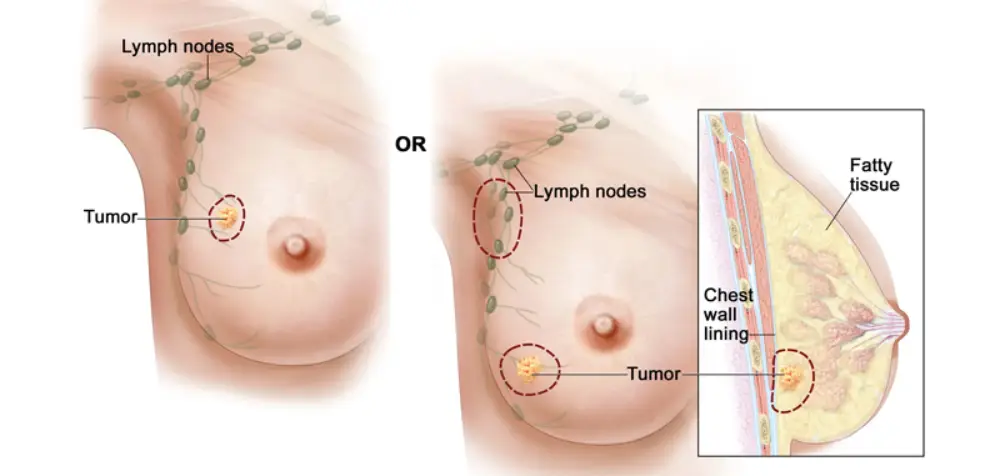
Simple Mastectomy What is a Simple Mastectomy? A simple mastectomy, also called a total mastectomy, …
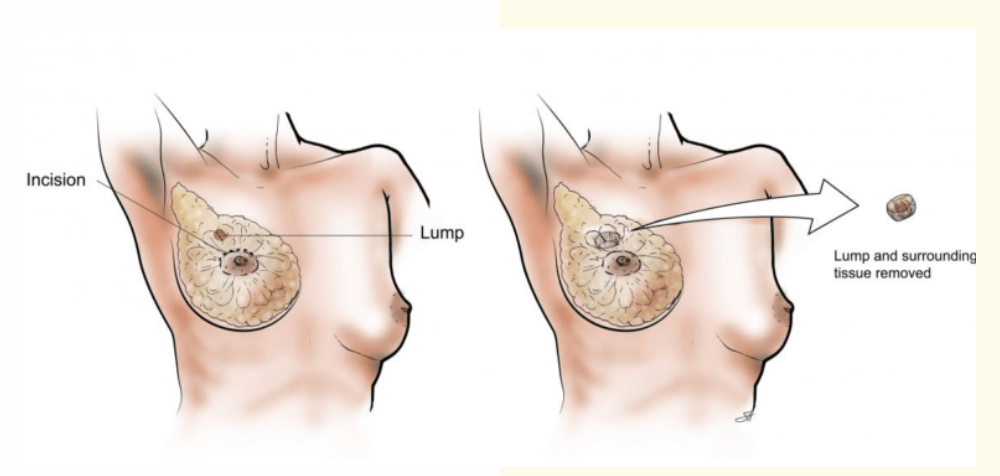
Breast Conservation Surgery What is Breast Conservation Surgery? Breast Conservation Surgery (BCS), also known as …
Jupiter Hospital, Thane
Service Rd, Eastern Express Hwy, next to Viviana Mall, Thane, Maharashtra 400601, India
KIMS Hospitals, Thane
Hiranandani Estate Queens Street, Ghodbunder Rd, opposite BRENTFORD, Patlipada, Thane West, Maharashtra 400607, India
Kaushalya Medical Foundation Trust Hospital. Thane
Ganeshwadi, behind Nitin Company, Panch Pakhdi, Thane, Maharashtra 400601, India
Horizon Prime Hospital, Thane
Vibgyor, Ghodbunder Rd, near Hiranandani Estate, behind Ritu Nissan Showroom, B Wing, Patlipada, Thane West, Thane, Maharashtra 400607, India
Tieten Medicity Hospital, Thane
Ghodbunder Rd, Kasarvadavali, Thane West, Thane, Maharashtra 400615, India
Currare Hospital, Thane
GHC Hospitals. Kalwa
Shil Road, Kausa, Mumbra, Thane, Maharashtra 400612, India
Bilal Hospital & ICU. Kalwa
1st Floor, A, Wing Royal Garden, Old, Mumbai – Pune Rd, near Shimla Park, Shimla Park, Kausa, Mumbra, Thane, Maharashtra 400612, India

At Dr. Ritika Bhandari’s Breast Health Clinic, we provide advanced, compassionate, and personalized care for all breast-related concerns. As a Breast Cancer Surgeon in Thane, Dr. Ritika Bhandari offers expert guidance for breast cancer diagnosis, treatment, and surgical care.