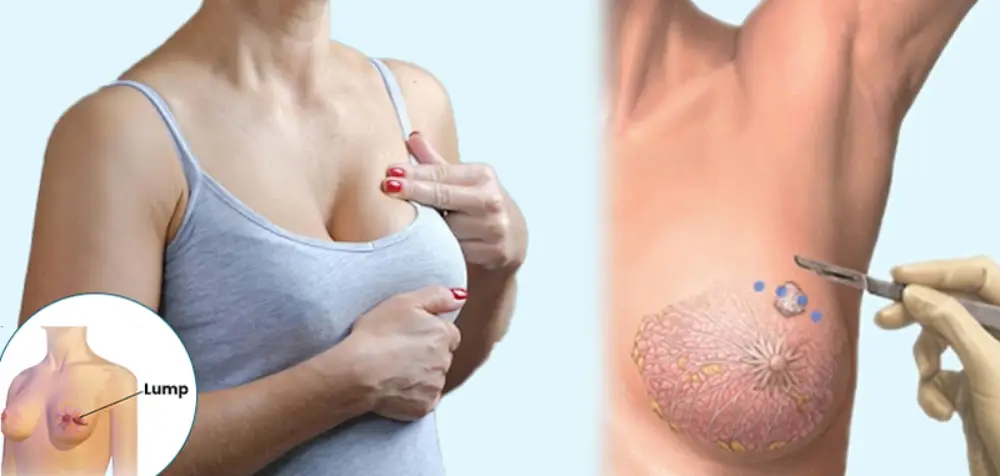
Fibroadenoma Excision What is Fibroadenoma Excision? Fibroadenoma excision is a surgical procedure to remove fibroadenomas—benign …
A breast abscess is a painful collection of pus that forms within the breast tissue due to infection. While most common in women who are breastfeeding, it can also occur in non-lactating women. If not treated promptly, a breast abscess can lead to serious complications such as chronic infection, spread of bacteria, or scarring.
At our center, we specialize in the safe and effective management of breast abscesses, including incision and drainage (I&D) — the standard treatment for this condition.
A breast abscess usually develops as a result of a bacterial infection, most commonly caused by Staphylococcus aureus. Common causes and risk factors include:
Blocked Milk Ducts (Lactational Mastitis): In breastfeeding women, blocked ducts can trap milk and lead to infection.
Skin Damage: Cracked nipples, poor hygiene, or nipple piercings can allow bacteria to enter the breast tissue.
Underlying Health Conditions: Mammary duct ectasia, diabetes, or a weakened immune system increase the risk.
Non-Lactational Causes: Trauma to the breast, smoking, or previous breast surgery may also trigger abscess formation.
Symptoms often appear suddenly and worsen quickly. These may include:
Painful, swollen lump: A firm, tender, warm lump in the breast.
Redness and skin changes: The overlying skin may look red, shiny, or stretched.
Fever and chills: Indicating the spread of infection.
Pus drainage: If the abscess ruptures, pus may leak with a foul smell.
Discomfort while breastfeeding: Pain or difficulty feeding the baby in lactating women.
If untreated, the infection may worsen, leading to systemic illness or recurrent abscesses.
The most effective treatment for a breast abscess is incision and drainage, performed under local anesthesia.
Preparation: The breast is cleaned with antiseptic to reduce infection risk.
Incision: A small cut is made at the abscess site.
Drainage: Pus is drained out, relieving pressure and pain.
Placement of Drain (if required): A sterile drain may be left in place to prevent re-accumulation.
Aftercare: The area is cleaned, dressed, and antibiotics are prescribed. Pain relief is also given.
Most patients experience rapid relief after the procedure.
Continue prescribed antibiotics to fully clear the infection.
Keep the wound clean and covered as advised.
Follow up for drain removal if one is placed.
Breastfeeding mothers are often encouraged to continue feeding, as it helps milk flow and prevents further blockage.
Avoid smoking and manage underlying conditions like diabetes to reduce recurrence.
1. Can a breast abscess heal without drainage?
Small abscesses may respond to antibiotics, but most require incision and drainage for complete healing.
2. Is it safe to breastfeed with a breast abscess?
Yes, in most cases, breastfeeding can continue. It may even help clear blocked ducts. However, it should be done under medical guidance.
3. Will I have a scar after I&D?
A small scar may remain, but the incision is usually minimal and heals well.
4. Can breast abscesses come back?
Yes, especially in smokers, diabetics, or women with underlying duct problems. Proper treatment and follow-up reduce recurrence risk.
5. How long does recovery take?
Most patients feel relief within a few days, though complete healing may take 1–2 weeks.
Fibroadenoma Excision What is Fibroadenoma Excision? Fibroadenoma excision is a surgical procedure to remove fibroadenomas—benign …
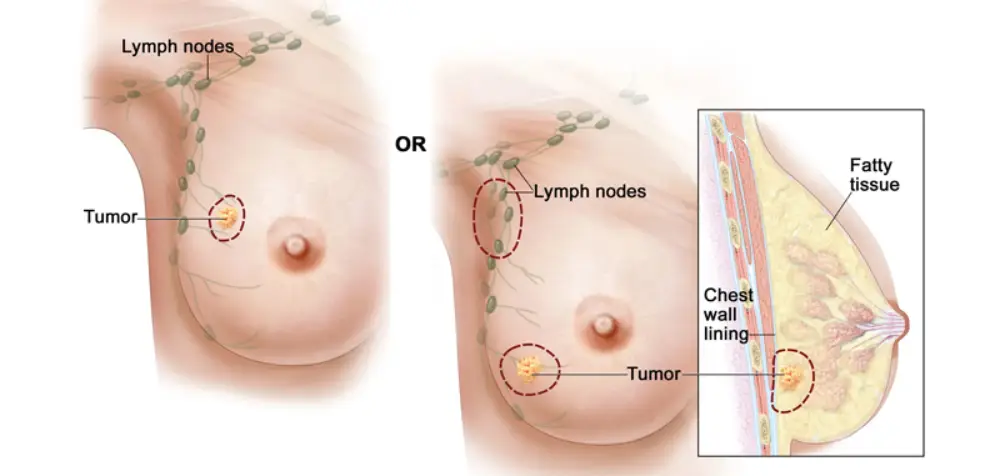
Breast Cysts Excision What is Breast Cyst Excision? Breast cyst excision is a surgical procedure …
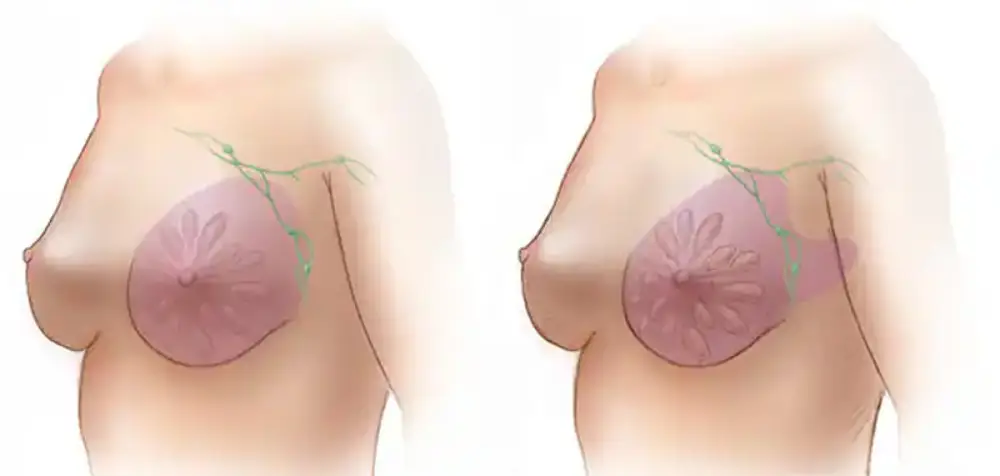
Simple Mastectomy What is a Simple Mastectomy? A simple mastectomy, also called a total mastectomy, …
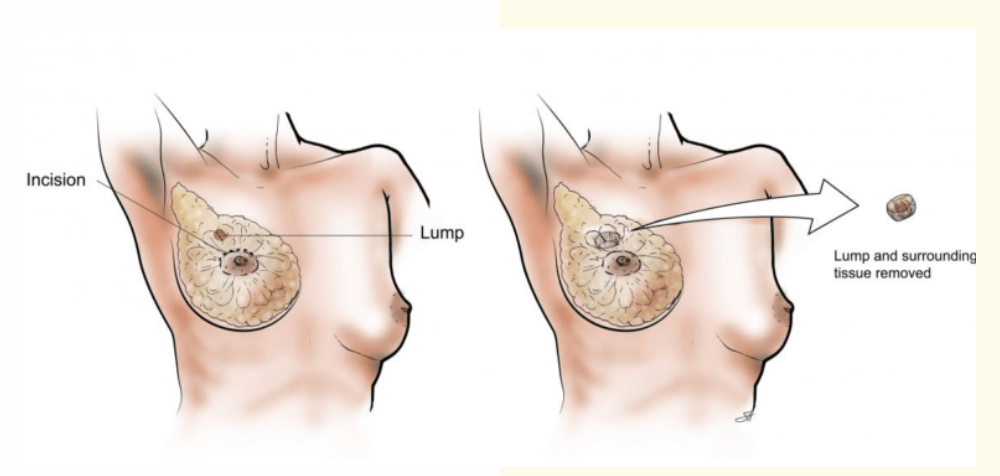
Breast Conservation Surgery What is Breast Conservation Surgery? Breast Conservation Surgery (BCS), also known as …
Jupiter Hospital, Thane
Service Rd, Eastern Express Hwy, next to Viviana Mall, Thane, Maharashtra 400601, India
KIMS Hospitals, Thane
Hiranandani Estate Queens Street, Ghodbunder Rd, opposite BRENTFORD, Patlipada, Thane West, Maharashtra 400607, India
Kaushalya Medical Foundation Trust Hospital. Thane
Ganeshwadi, behind Nitin Company, Panch Pakhdi, Thane, Maharashtra 400601, India
Horizon Prime Hospital, Thane
Vibgyor, Ghodbunder Rd, near Hiranandani Estate, behind Ritu Nissan Showroom, B Wing, Patlipada, Thane West, Thane, Maharashtra 400607, India
Tieten Medicity Hospital, Thane
Ghodbunder Rd, Kasarvadavali, Thane West, Thane, Maharashtra 400615, India
Currare Hospital, Thane
GHC Hospitals. Kalwa
Shil Road, Kausa, Mumbra, Thane, Maharashtra 400612, India
Bilal Hospital & ICU. Kalwa
1st Floor, A, Wing Royal Garden, Old, Mumbai – Pune Rd, near Shimla Park, Shimla Park, Kausa, Mumbra, Thane, Maharashtra 400612, India

At Dr. Ritika Bhandari’s Breast Health Clinic, we provide advanced, compassionate, and personalized care for all breast-related concerns. As a Breast Cancer Surgeon in Thane, Dr. Ritika Bhandari offers expert guidance for breast cancer diagnosis, treatment, and surgical care.