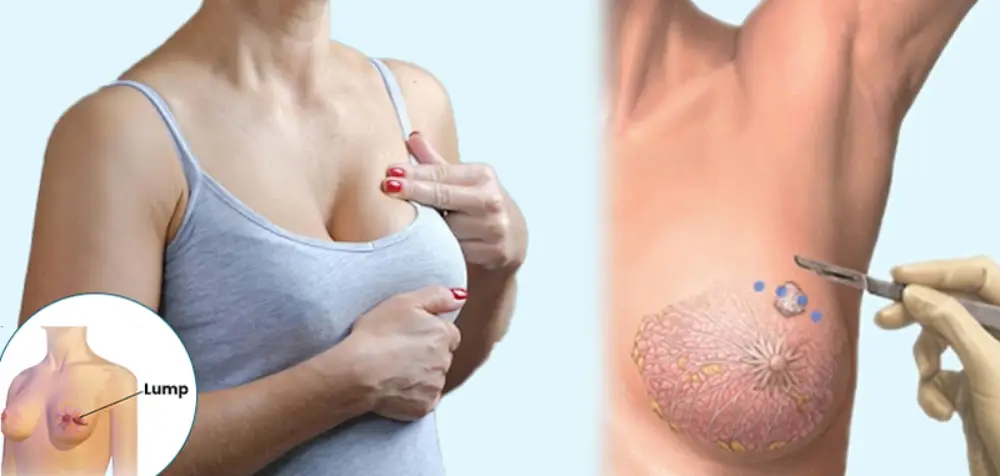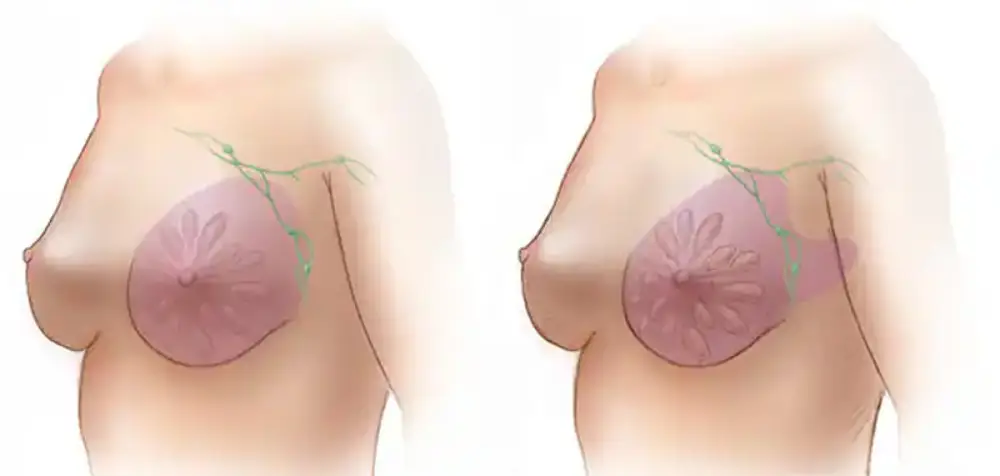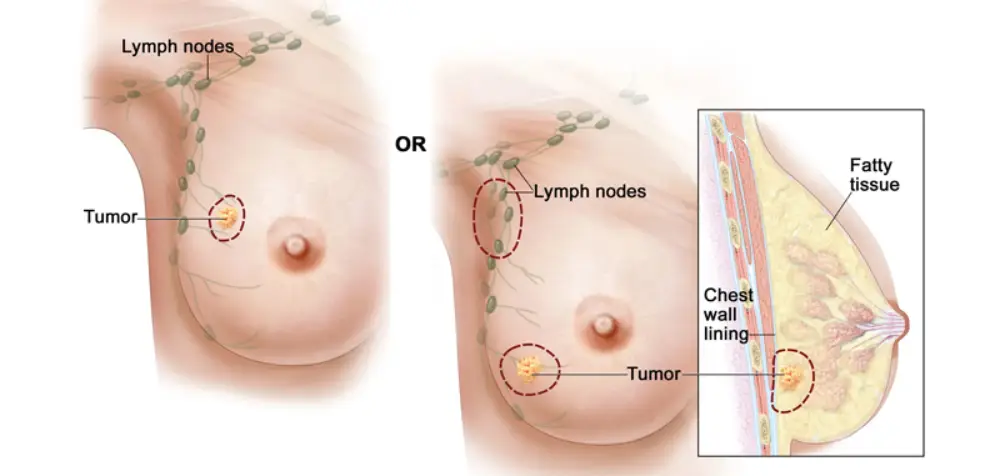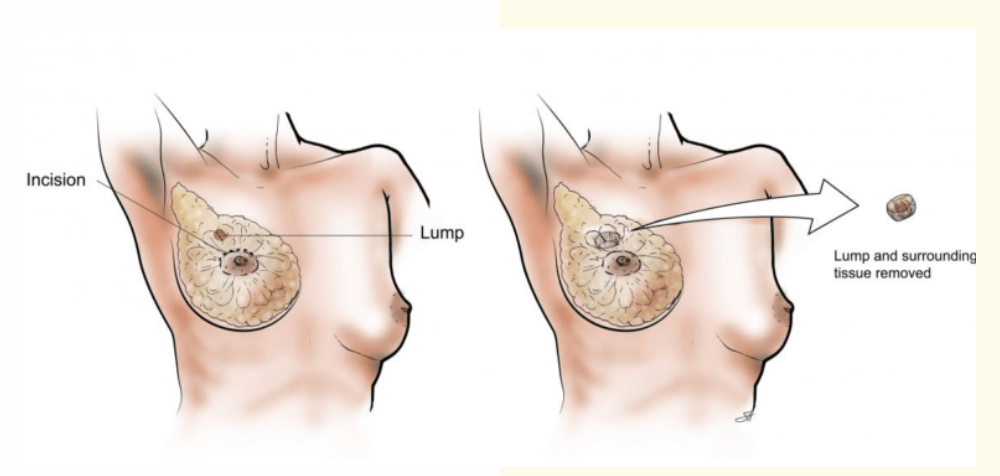
Fibroadenoma Excision What is Fibroadenoma Excision? Fibroadenoma excision is a surgical procedure to remove fibroadenomas—benign …
Breast Reconstruction is a specialized surgical procedure designed to restore the shape, size, and natural appearance of the breast after mastectomy or breast injury. It plays a vital role not just in physical restoration but also in improving emotional well-being and confidence after breast loss due to cancer or other conditions.
Under the expert care of Dr. Ritika Bhandari, patients receive personalized treatment plans that focus on achieving natural-looking results while ensuring safety and comfort throughout the recovery process.
Breast reconstruction is most commonly performed after a mastectomy, which is the surgical removal of one or both breasts—usually as part of treatment for breast cancer. In some cases, a prophylactic mastectomy is performed for women at high genetic risk, such as those with BRCA1 or BRCA2 mutations or a strong family history of breast cancer.
Other possible causes and indications for breast reconstruction include:
Severe breast trauma or injury resulting in tissue loss
Congenital deformities, such as Poland syndrome
Infections or complications following previous surgeries
Radiation damage that affects the breast tissue
The physical and emotional effects of losing a breast can be profound. Many patients experience both physical discomfort and psychological distress following mastectomy or trauma.
Pain or tightness in the chest area
Limited shoulder or arm movement
Numbness or nerve pain around the surgical site
Feelings of grief, loss, or incompleteness
Reduced self-esteem and confidence
Anxiety or depression related to body image changes
Breast reconstruction helps many women overcome these challenges by restoring balance, femininity, and confidence in their appearance.
There are two main approaches to breast reconstruction surgery, and the choice depends on individual anatomy, medical condition, and personal preference.
This technique involves using saline or silicone implants to recreate the breast mound.
Immediate reconstruction: Performed at the same time as mastectomy, minimizing the number of surgeries.
Delayed reconstruction: Performed later, often using a tissue expander to gradually stretch the skin before placing the final implant.
Advantages:
Shorter surgery time
Faster recovery
No additional scars on other body areas
Considerations:
Implants may need replacement in the future
Risk of capsular contracture (scar tissue around the implant)
In this method, tissue from another part of the body—such as the abdomen, back, thighs, or buttocks—is used to form the new breast. Common techniques include:
TRAM flap (Transverse Rectus Abdominis Muscle)
DIEP flap (Deep Inferior Epigastric Perforator)
Latissimus Dorsi flap
Advantages:
Natural look and feel
No risk of implant rupture or rejection
Considerations:
More complex surgery
Longer recovery time
Scarring at the tissue donor site
Following breast reconstruction, patients are closely monitored to ensure smooth healing and optimal cosmetic results.
Pain and swelling are normal for a few weeks and can be managed with prescribed medications.
Drain care: If surgical drains are placed, patients are instructed on proper maintenance until removal.
Physical therapy may be recommended to restore mobility and strength.
Follow-up visits are essential to monitor healing and detect any signs of infection or implant-related issues.
Most patients can resume light daily activities within 2–3 weeks, while complete recovery may take several months, depending on the type of reconstruction performed.
Restores breast shape and body symmetry
Enhances confidence and self-image
Allows comfortable clothing fit
Offers emotional healing after mastectomy or trauma
Provides long-term physical and psychological satisfaction
With a patient-focused approach and extensive experience in breast reconstruction and oncoplastic surgery, Dr. Ritika Bhandari ensures every patient receives compassionate care, precision surgical planning, and aesthetically pleasing outcomes. Her expertise helps patients regain not just their physical form, but also their self-assurance and sense of wholeness.
1. When is the best time to undergo breast reconstruction?
Breast reconstruction can be performed immediately after mastectomy or delayed until after cancer treatment is completed. The timing depends on medical and personal factors.
2. Will reconstructed breasts look and feel natural?
Yes. Modern surgical techniques allow for highly natural results. Autologous reconstruction, in particular, provides a realistic look and feel using your own tissue.
3. How long does recovery take?
Recovery varies by method — typically 2–3 weeks for implant-based and up to 6–8 weeks for flap reconstruction.
4. Are both breasts reconstructed for symmetry?
If needed, the opposite breast can be reshaped, lifted, or reduced during surgery to achieve a balanced appearance.
5. Does reconstruction affect cancer treatment or recurrence risk?
No. Breast reconstruction does not interfere with cancer treatment and does not increase recurrence risk.
Fibroadenoma Excision What is Fibroadenoma Excision? Fibroadenoma excision is a surgical procedure to remove fibroadenomas—benign …
Breast Cysts Excision What is Breast Cyst Excision? Breast cyst excision is a surgical procedure …
Simple Mastectomy What is a Simple Mastectomy? A simple mastectomy, also called a total mastectomy, …
Breast Conservation Surgery What is Breast Conservation Surgery? Breast Conservation Surgery (BCS), also known as …
Jupiter Hospital, Thane
Service Rd, Eastern Express Hwy, next to Viviana Mall, Thane, Maharashtra 400601, India
KIMS Hospitals, Thane
Hiranandani Estate Queens Street, Ghodbunder Rd, opposite BRENTFORD, Patlipada, Thane West, Maharashtra 400607, India
Kaushalya Medical Foundation Trust Hospital. Thane
Ganeshwadi, behind Nitin Company, Panch Pakhdi, Thane, Maharashtra 400601, India
Horizon Prime Hospital, Thane
Vibgyor, Ghodbunder Rd, near Hiranandani Estate, behind Ritu Nissan Showroom, B Wing, Patlipada, Thane West, Thane, Maharashtra 400607, India
Tieten Medicity Hospital, Thane
Ghodbunder Rd, Kasarvadavali, Thane West, Thane, Maharashtra 400615, India
Currare Hospital, Thane
GHC Hospitals. Kalwa
Shil Road, Kausa, Mumbra, Thane, Maharashtra 400612, India
Bilal Hospital & ICU. Kalwa
1st Floor, A, Wing Royal Garden, Old, Mumbai – Pune Rd, near Shimla Park, Shimla Park, Kausa, Mumbra, Thane, Maharashtra 400612, India

At Dr. Ritika Bhandari’s Breast Health Clinic, we provide advanced, compassionate, and personalized care for all breast-related concerns. As a Breast Cancer Surgeon in Thane, Dr. Ritika Bhandari offers expert guidance for breast cancer diagnosis, treatment, and surgical care.