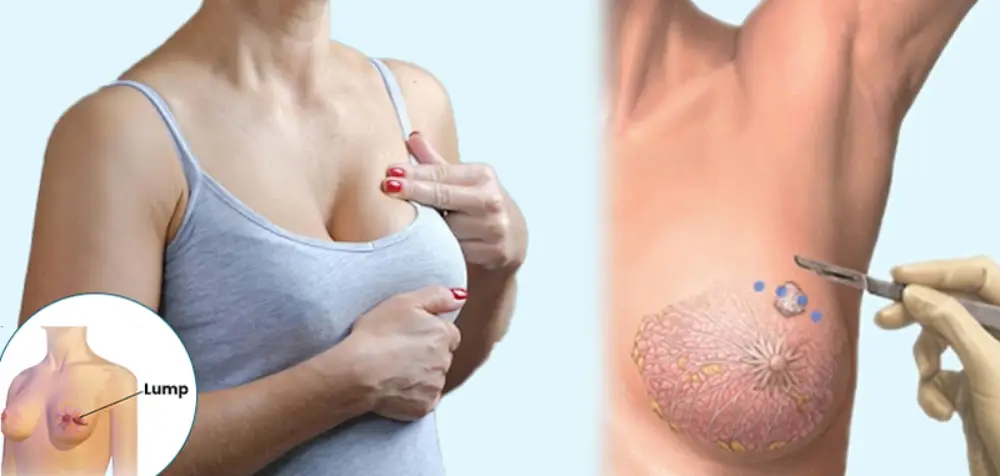
Fibroadenoma Excision What is Fibroadenoma Excision? Fibroadenoma excision is a surgical procedure to remove fibroadenomas—benign …
Feeling heaviness in the breast, sometimes accompanied by a palpable lump or node, is a common concern for many individuals. While most cases are benign, some may indicate serious conditions that require timely evaluation. Understanding the causes, symptoms, and when to seek medical care is essential for maintaining breast health.
Hormonal Changes
Fluctuations in estrogen and progesterone during menstruation, pregnancy, or menopause can cause fluid retention, leading to breast heaviness.
Small, temporary nodes or fibrocystic changes may also occur, often resolving after the menstrual cycle.
Fibrocystic Breast Changes
A common benign condition where breast tissue becomes lumpy, nodular, or tender.
Cysts fluctuate in size with hormone levels, creating a sensation of fullness or heaviness.
Most common in women aged 20–50 years and typically improves after menopause.
Breast Cysts
Fluid-filled sacs within the breast that can feel like lumps or nodes.
Usually benign but may cause discomfort, tenderness, or a feeling of heaviness.
Larger cysts can produce more noticeable symptoms.
Breast Infections (Mastitis)
Inflammation of breast tissue, commonly in breastfeeding women.
Symptoms include pain, swelling, redness, warmth, and sometimes a painful lump or node.
Untreated infections may lead to abscess formation requiring drainage.
Breast Cancer
Rarely, heaviness with a lump may indicate malignant growth.
Cancerous lumps are often painless, hard, and irregular, but some may feel tender.
Warning signs include nipple discharge, skin dimpling, changes in shape, or redness.
Early detection is key for effective treatment.
Lymphedema
Fluid buildup in lymph nodes, often occurring after lymph node removal or radiation therapy, can cause swelling and heaviness in the breast.
Pain or Tenderness: Dull, aching, or localized discomfort that may worsen with hormonal changes.
Lump or Node: Palpable lumps that may be soft or hard, mobile or fixed.
Swelling or Fullness: One or both breasts may feel unusually heavy or full.
Skin Changes: Redness, warmth, dimpling (orange-peel appearance), or thickening may occur with infection or malignancy.
Nipple Discharge: Particularly bloody or clear discharge requires immediate evaluation.
Changes in Shape or Size: Swelling, lumps, or fluid retention can create noticeable asymmetry.
Although most causes are benign, prompt evaluation is crucial for any new, persistent, or unusual breast changes. Medical assessment may include:
Physical examination
Imaging tests such as mammogram or ultrasound
Biopsy if a suspicious lump or node is detected
Early consultation ensures accurate diagnosis, appropriate treatment, and peace of mind.
Dr. Ritika Bhandari provides expert evaluation and management of breast heaviness, lumps, and associated nodes, combining advanced diagnostics with personalized care to maintain your breast health and well-being.
Fibroadenoma Excision What is Fibroadenoma Excision? Fibroadenoma excision is a surgical procedure to remove fibroadenomas—benign …
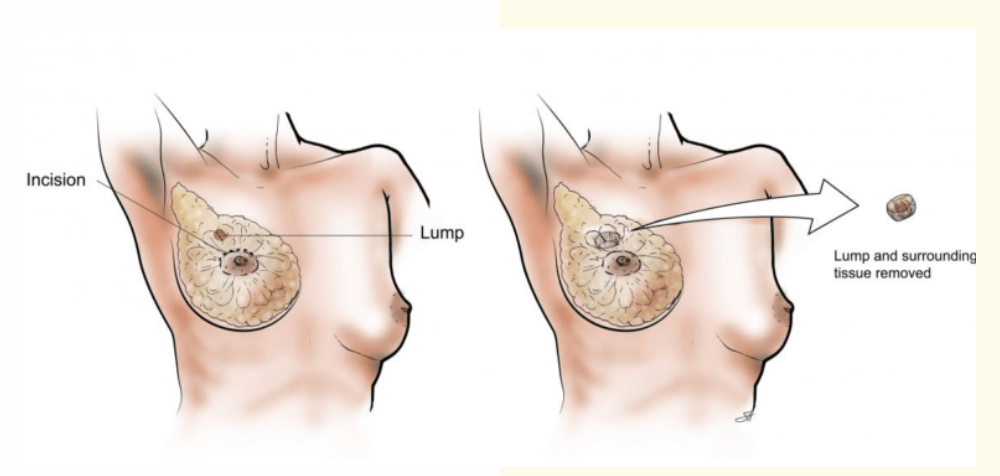
Breast Cysts Excision What is Breast Cyst Excision? Breast cyst excision is a surgical procedure …
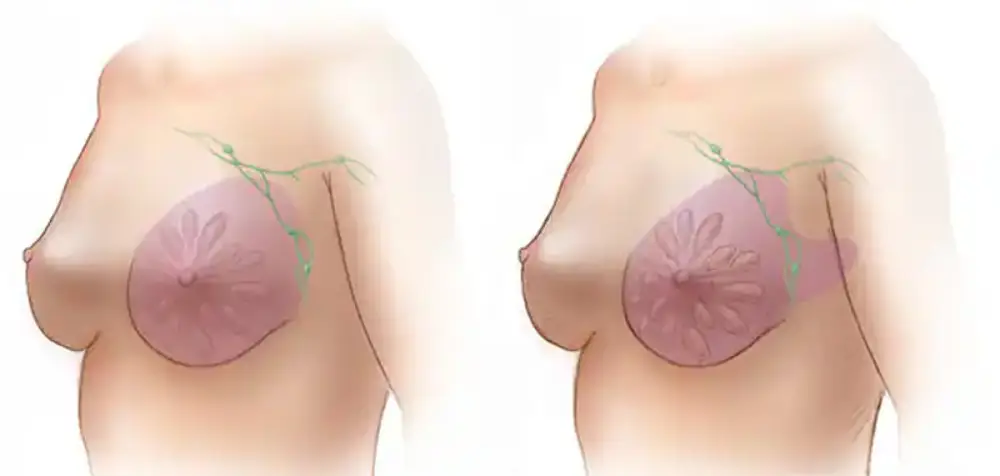
Simple Mastectomy What is a Simple Mastectomy? A simple mastectomy, also called a total mastectomy, …
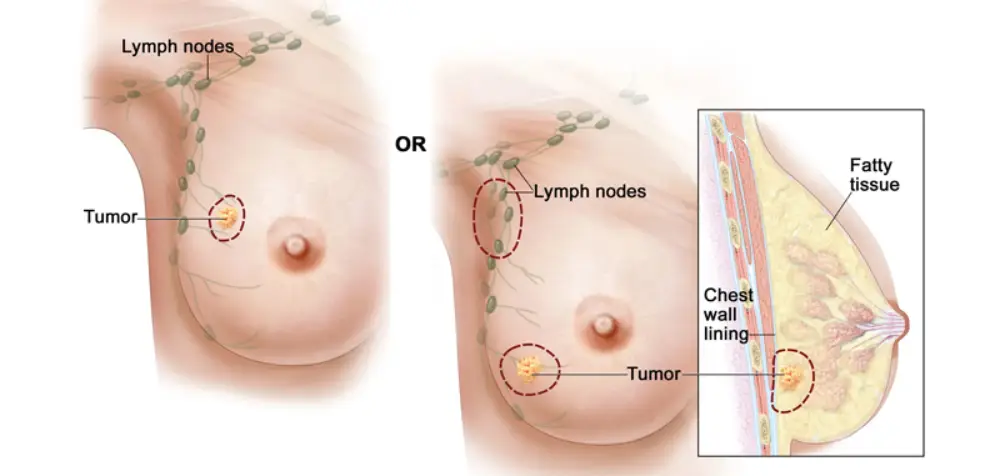
Breast Conservation Surgery What is Breast Conservation Surgery? Breast Conservation Surgery (BCS), also known as …
Jupiter Hospital, Thane
Service Rd, Eastern Express Hwy, next to Viviana Mall, Thane, Maharashtra 400601, India
KIMS Hospitals, Thane
Hiranandani Estate Queens Street, Ghodbunder Rd, opposite BRENTFORD, Patlipada, Thane West, Maharashtra 400607, India
Kaushalya Medical Foundation Trust Hospital. Thane
Ganeshwadi, behind Nitin Company, Panch Pakhdi, Thane, Maharashtra 400601, India
Horizon Prime Hospital, Thane
Vibgyor, Ghodbunder Rd, near Hiranandani Estate, behind Ritu Nissan Showroom, B Wing, Patlipada, Thane West, Thane, Maharashtra 400607, India
Tieten Medicity Hospital, Thane
Ghodbunder Rd, Kasarvadavali, Thane West, Thane, Maharashtra 400615, India
Currare Hospital, Thane
GHC Hospitals. Kalwa
Shil Road, Kausa, Mumbra, Thane, Maharashtra 400612, India
Bilal Hospital & ICU. Kalwa
1st Floor, A, Wing Royal Garden, Old, Mumbai – Pune Rd, near Shimla Park, Shimla Park, Kausa, Mumbra, Thane, Maharashtra 400612, India

At Dr. Ritika Bhandari’s Breast Health Clinic, we provide advanced, compassionate, and personalized care for all breast-related concerns. As a Breast Cancer Surgeon in Thane, Dr. Ritika Bhandari offers expert guidance for breast cancer diagnosis, treatment, and surgical care.