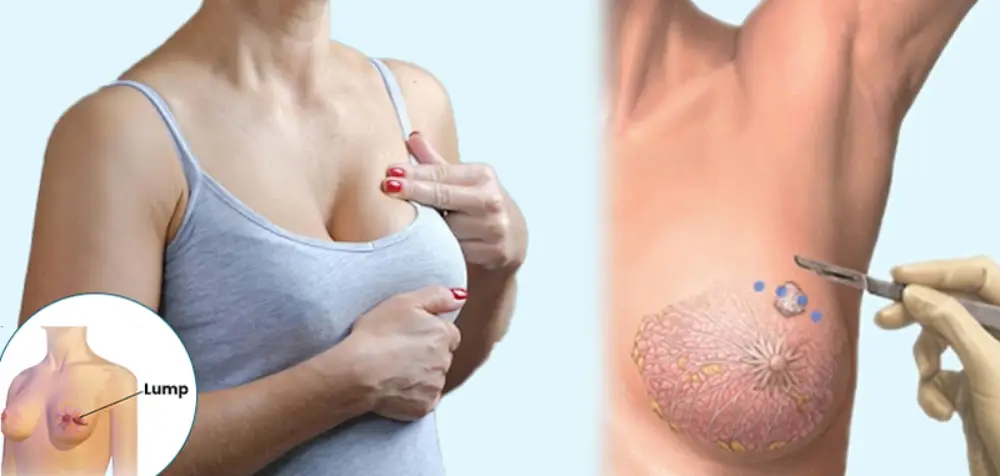
Fibroadenoma Excision What is Fibroadenoma Excision? Fibroadenoma excision is a surgical procedure to remove fibroadenomas—benign …
Nipple discharge refers to any fluid that comes out of one or both nipples. It can vary in color, texture, and consistency, depending on the underlying cause. While nipple discharge is fairly common and often harmless, in some cases, it can signal an underlying breast condition that requires medical evaluation.
At Dr. Ritika Bhandari’s clinic, we provide comprehensive diagnosis and management for all types of nipple discharge — ensuring early detection, accurate diagnosis, and personalized care.
The nature of the discharge often provides important clues about its cause. Common types include:
Most often seen in lactating women.
In non-lactating women or men, it may be caused by galactorrhea, a condition resulting from excess prolactin (a hormone produced by the pituitary gland).
Can occur due to hormonal imbalances, certain medications, or thyroid disorders.
Typically benign and may occur due to hormonal fluctuations during the menstrual cycle.
In some cases, it may be linked to intraductal papillomas — small, non-cancerous growths inside the milk ducts.
Usually associated with breast infections or inflammation such as mastitis or breast abscesses.
Often accompanied by symptoms like pain, redness, warmth, or swelling.
May result from benign growths like intraductal papillomas, but in certain cases, could indicate breast cancer.
Requires immediate evaluation, especially if it:
Occurs spontaneously (without squeezing)
Comes from one breast only
Persists over time
Several conditions can lead to nipple discharge, including:
Pregnancy, breastfeeding, and menstrual variations can all affect breast secretions. Elevated prolactin levels can cause milky discharge (galactorrhea) even in non-lactating individuals.
Bacterial infections can lead to inflammation, tenderness, and pus-like discharge. Common among breastfeeding women but can also affect non-lactating women.
Intraductal papillomas — small, wart-like growths in the milk ducts — are a common cause of bloody or clear discharge in women aged 35–55.
A benign condition where the milk ducts widen and their walls thicken. It may cause greenish or thick discharge, along with nipple tenderness or inversion.
While rare, persistent or bloody discharge (especially from one breast) can be an early sign of ductal carcinoma in situ (DCIS) or Paget’s disease of the breast. Early evaluation is crucial.
Depending on the cause, nipple discharge may be accompanied by:
Pain, tenderness, or swelling in the breast
Redness or warmth of the skin
A lump near the nipple or in the breast tissue
Nipple inversion or skin changes
Spontaneous (non-manipulated) discharge
If any of these symptoms persist, it’s important to consult a specialist for evaluation.
Dr. Ritika Bhandari follows a detailed, step-by-step approach to determine the cause of nipple discharge.
Diagnostic procedures may include:
Clinical breast examination to assess the discharge and surrounding tissue
Ultrasound or mammography to detect lumps or ductal abnormalities
Nipple discharge cytology to analyze the fluid
Ductography or MRI for detailed imaging if needed
Biopsy in cases where cancerous changes are suspected
Treatment depends on the underlying cause and may include:
Antibiotics for infections like mastitis or abscesses
Hormonal therapy to manage prolactin-related conditions
Surgical removal of papillomas or affected ducts if discharge is persistent or suspicious
Cancer-specific management (surgery, radiation, or chemotherapy) for malignant cases
Regular follow-ups ensure that any changes in breast health are detected early and treated effectively.
You should seek immediate medical advice if you experience:
Bloody or spontaneous nipple discharge
Discharge from one breast only
Associated pain, swelling, or skin changes
A lump or thickening in the breast
Persistent discharge despite treatment
Dr. Ritika Bhandari specializes in the evaluation and management of nipple discharge and related breast conditions. With advanced diagnostic tools and a compassionate approach, she ensures accurate diagnosis, effective treatment, and peace of mind for her patients.
1. Is nipple discharge always a sign of breast cancer?
No. Most cases are benign and related to hormonal changes or infections, but any persistent or bloody discharge should be evaluated to rule out malignancy.
2. Can men experience nipple discharge?
Yes. Although uncommon, men can experience nipple discharge due to hormonal imbalances, medications, or breast infections.
3. How is nipple discharge treated?
Treatment depends on the cause. It may include antibiotics, hormone regulation, or minor surgical procedures for persistent or suspicious cases.
4. When should I get imaging tests done?
If the discharge is spontaneous, from one breast, or contains blood, imaging such as mammography or ultrasound is recommended.
5. Can nipple discharge occur due to stress or medication?
Yes. Certain medications (like antidepressants or hormonal treatments) and stress-related hormonal changes can cause nipple discharge in some individuals.
Fibroadenoma Excision What is Fibroadenoma Excision? Fibroadenoma excision is a surgical procedure to remove fibroadenomas—benign …
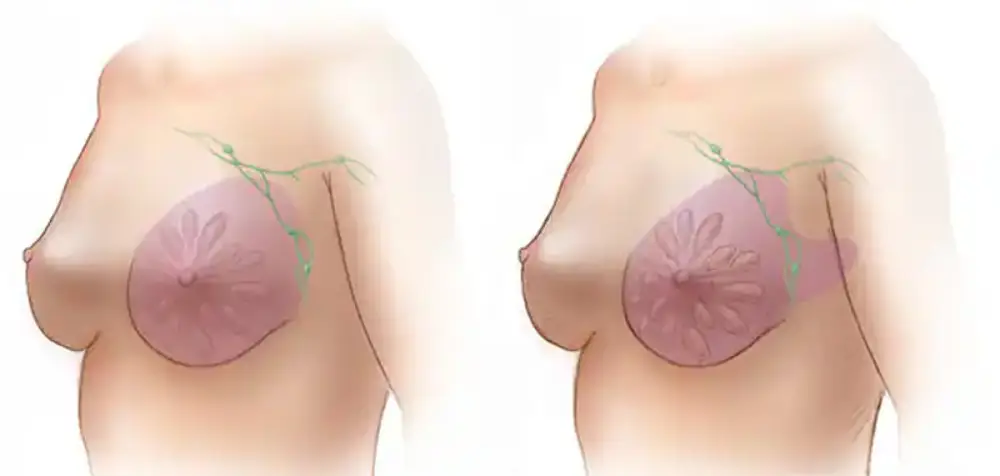
Breast Cysts Excision What is Breast Cyst Excision? Breast cyst excision is a surgical procedure …
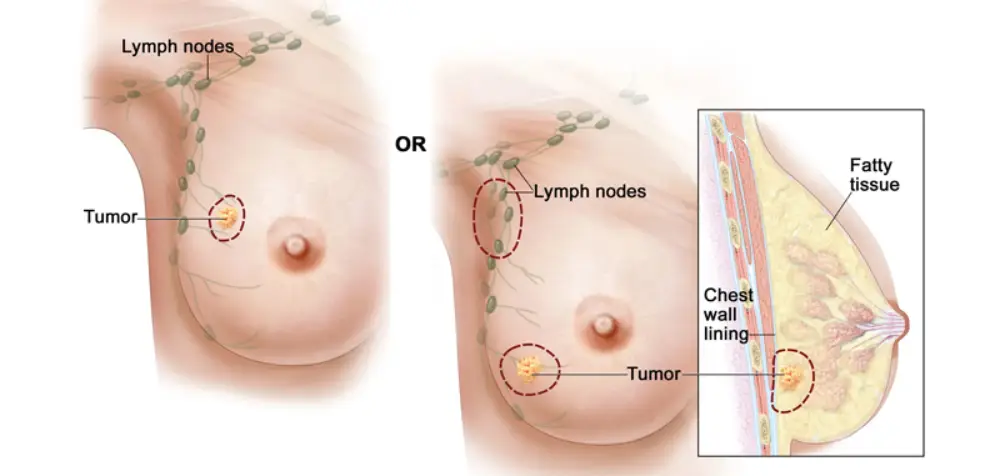
Simple Mastectomy What is a Simple Mastectomy? A simple mastectomy, also called a total mastectomy, …
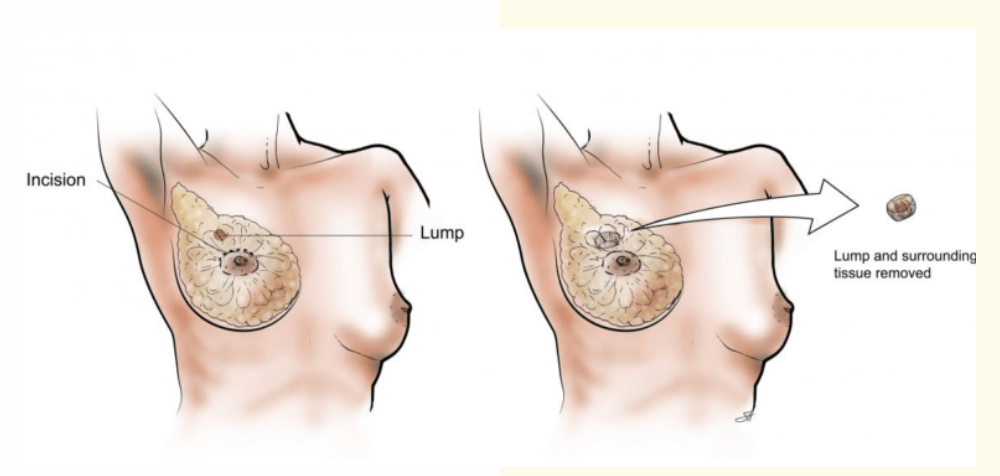
Breast Conservation Surgery What is Breast Conservation Surgery? Breast Conservation Surgery (BCS), also known as …
Jupiter Hospital, Thane
Service Rd, Eastern Express Hwy, next to Viviana Mall, Thane, Maharashtra 400601, India
KIMS Hospitals, Thane
Hiranandani Estate Queens Street, Ghodbunder Rd, opposite BRENTFORD, Patlipada, Thane West, Maharashtra 400607, India
Kaushalya Medical Foundation Trust Hospital. Thane
Ganeshwadi, behind Nitin Company, Panch Pakhdi, Thane, Maharashtra 400601, India
Horizon Prime Hospital, Thane
Vibgyor, Ghodbunder Rd, near Hiranandani Estate, behind Ritu Nissan Showroom, B Wing, Patlipada, Thane West, Thane, Maharashtra 400607, India
Tieten Medicity Hospital, Thane
Ghodbunder Rd, Kasarvadavali, Thane West, Thane, Maharashtra 400615, India
Currare Hospital, Thane
GHC Hospitals. Kalwa
Shil Road, Kausa, Mumbra, Thane, Maharashtra 400612, India
Bilal Hospital & ICU. Kalwa
1st Floor, A, Wing Royal Garden, Old, Mumbai – Pune Rd, near Shimla Park, Shimla Park, Kausa, Mumbra, Thane, Maharashtra 400612, India

At Dr. Ritika Bhandari’s Breast Health Clinic, we provide advanced, compassionate, and personalized care for all breast-related concerns. As a Breast Cancer Surgeon in Thane, Dr. Ritika Bhandari offers expert guidance for breast cancer diagnosis, treatment, and surgical care.