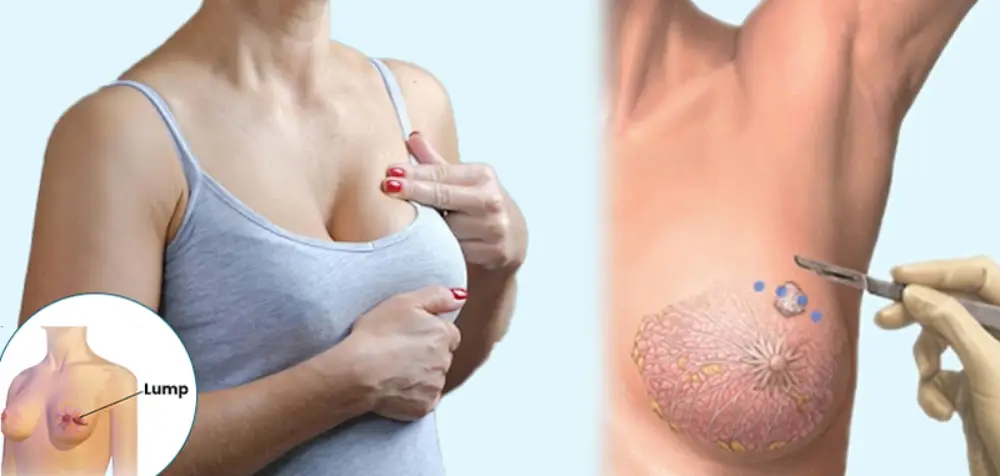
Fibroadenoma Excision What is Fibroadenoma Excision? Fibroadenoma excision is a surgical procedure to remove fibroadenomas—benign …
Breast pain, medically known as mastalgia, is a common condition experienced by many women at different stages of life. It is characterized by discomfort, tenderness, or aching in one or both breasts. While breast pain is usually not linked to breast cancer, it can cause significant discomfort and anxiety, especially when persistent or severe. Understanding its causes, types, and management options is essential for effective treatment and peace of mind.
Breast pain can be classified into three main types, based on its cause and pattern:
This is the most common type and is closely related to hormonal fluctuations during the menstrual cycle. It typically occurs in the luteal phase (one to two weeks before menstruation) and eases once the period begins.
Affects women of reproductive age, particularly in their 20s and 30s
Pain is usually bilateral (in both breasts)
Often described as heaviness, fullness, or dull aching
Non-cyclic pain is not related to the menstrual cycle and can occur at any time. It is usually localized to one area and may arise due to trauma, infection, or underlying breast conditions.
Common in postmenopausal women
May result from injury, surgery, or inflammation
Can feel sharp, burning, or constant
Sometimes, the pain may not originate from the breast tissue itself but from nearby areas such as the chest wall, ribs, or muscles. This is known as extramammary pain, which can mimic breast discomfort but has non-breast causes.
Several factors can contribute to breast pain, ranging from hormonal changes to structural or lifestyle issues:
Hormonal Fluctuations:
Shifts in estrogen and progesterone levels during the menstrual cycle can lead to breast tenderness and swelling due to fluid retention.
Breast Cysts and Fibrocystic Changes:
Non-cancerous conditions such as fibrocystic breast disease cause lumpiness, discomfort, and pain, especially around menstruation.
Medications:
Certain medications, including oral contraceptives, hormone replacement therapy (HRT), antidepressants, and cardiac drugs, may contribute to breast pain as a side effect.
Breast Injury or Surgery:
Trauma, previous surgery, or scar tissue can lead to localized pain and long-term tenderness.
Large Breasts:
Women with larger breasts may experience strain on the neck, shoulders, and chest muscles, leading to chronic pain or discomfort.
Stress:
Emotional or psychological stress can worsen cyclic breast pain through its effect on hormonal balance and muscle tension.
Tenderness or Sensitivity: The breasts may feel sore or sensitive to touch, often worsening before menstruation.
Aching or Burning Sensation: Some women experience dull aches or sharp, burning pain, especially in localized areas.
Swelling or Fullness: The breasts may feel heavier or swollen due to hormonal or fluid changes.
Lumpiness: Cyclic pain may be accompanied by lumpiness, particularly in women with fibrocystic changes.
Discomfort with Movement or Pressure: Pain may increase with physical activity or tight clothing.
While most breast pain is benign and self-limiting, medical evaluation is recommended if you notice:
Persistent pain lasting more than two weeks
Pain in one breast only or localized to a small area
A lump that doesn’t go away after your period
Nipple discharge, especially if bloody or clear
Visible changes in the skin or nipple (dimpling, redness, or inversion)
Diagnosis may include a physical examination, ultrasound, or mammogram to rule out any underlying breast pathology.
Lifestyle Modifications: Wearing a well-fitted bra, maintaining a healthy weight, reducing caffeine, and managing stress.
Pain Relief: Over-the-counter painkillers like paracetamol or ibuprofen can help reduce discomfort.
Dietary Adjustments: Some women find relief by limiting salt and fat intake or taking vitamin E or evening primrose oil (after consulting a doctor).
Medical Management: If hormonal causes are identified, your doctor may adjust birth control methods or prescribe medications to regulate hormone levels.
1. Is breast pain a sign of breast cancer?
Not usually. Most breast pain is caused by hormonal changes or benign breast conditions. However, any persistent or localized pain should be evaluated to rule out other causes.
2. Can stress cause breast pain?
Yes. Stress can influence hormone levels, which may worsen cyclic breast pain or muscle-related chest discomfort.
3. How can I relieve breast pain at home?
Wearing supportive bras, applying warm compresses, reducing caffeine intake, and maintaining a balanced diet can help manage mild pain.
4. Should I avoid exercise if I have breast pain?
No. Regular exercise helps regulate hormones and improve circulation. Just ensure you wear a supportive sports bra during workouts.
5. When should I get a breast scan for pain?
If the pain persists for more than two weeks, is localized, or accompanied by other symptoms like lumps or discharge, consult a breast specialist for an ultrasound or mammogram.
Fibroadenoma Excision What is Fibroadenoma Excision? Fibroadenoma excision is a surgical procedure to remove fibroadenomas—benign …
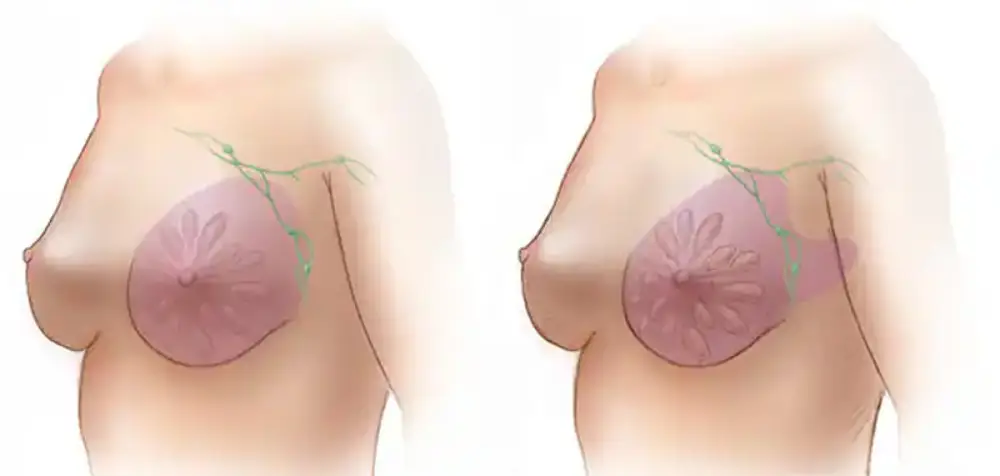
Breast Cysts Excision What is Breast Cyst Excision? Breast cyst excision is a surgical procedure …
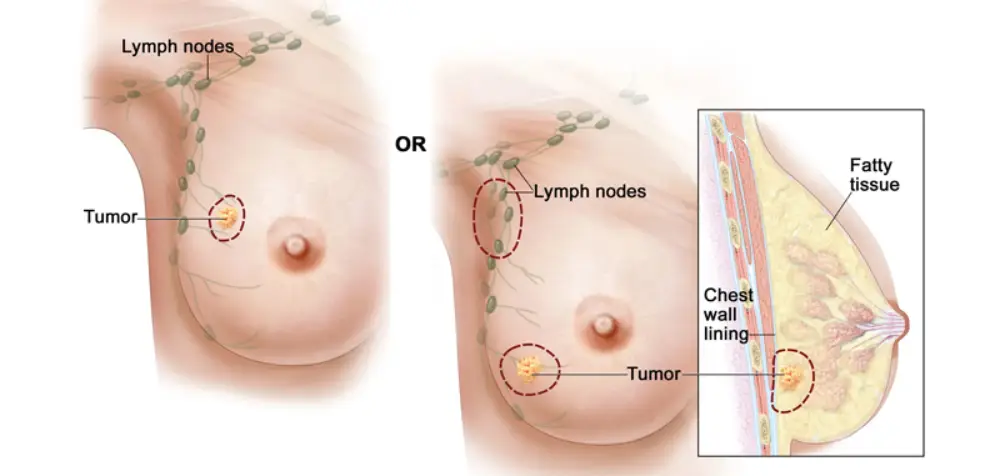
Simple Mastectomy What is a Simple Mastectomy? A simple mastectomy, also called a total mastectomy, …
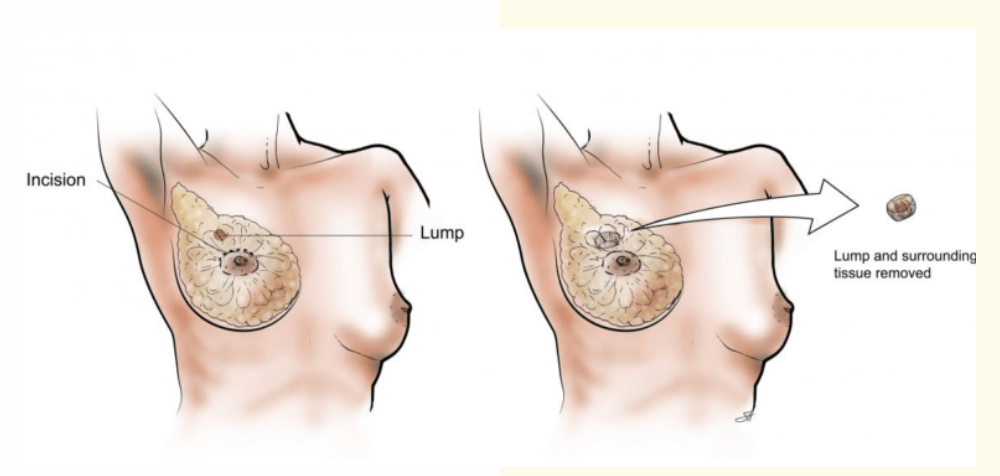
Breast Conservation Surgery What is Breast Conservation Surgery? Breast Conservation Surgery (BCS), also known as …
Jupiter Hospital, Thane
Service Rd, Eastern Express Hwy, next to Viviana Mall, Thane, Maharashtra 400601, India
KIMS Hospitals, Thane
Hiranandani Estate Queens Street, Ghodbunder Rd, opposite BRENTFORD, Patlipada, Thane West, Maharashtra 400607, India
Kaushalya Medical Foundation Trust Hospital. Thane
Ganeshwadi, behind Nitin Company, Panch Pakhdi, Thane, Maharashtra 400601, India
Horizon Prime Hospital, Thane
Vibgyor, Ghodbunder Rd, near Hiranandani Estate, behind Ritu Nissan Showroom, B Wing, Patlipada, Thane West, Thane, Maharashtra 400607, India
Tieten Medicity Hospital, Thane
Ghodbunder Rd, Kasarvadavali, Thane West, Thane, Maharashtra 400615, India
Currare Hospital, Thane
GHC Hospitals. Kalwa
Shil Road, Kausa, Mumbra, Thane, Maharashtra 400612, India
Bilal Hospital & ICU. Kalwa
1st Floor, A, Wing Royal Garden, Old, Mumbai – Pune Rd, near Shimla Park, Shimla Park, Kausa, Mumbra, Thane, Maharashtra 400612, India

At Dr. Ritika Bhandari’s Breast Health Clinic, we provide advanced, compassionate, and personalized care for all breast-related concerns. As a Breast Cancer Surgeon in Thane, Dr. Ritika Bhandari offers expert guidance for breast cancer diagnosis, treatment, and surgical care.