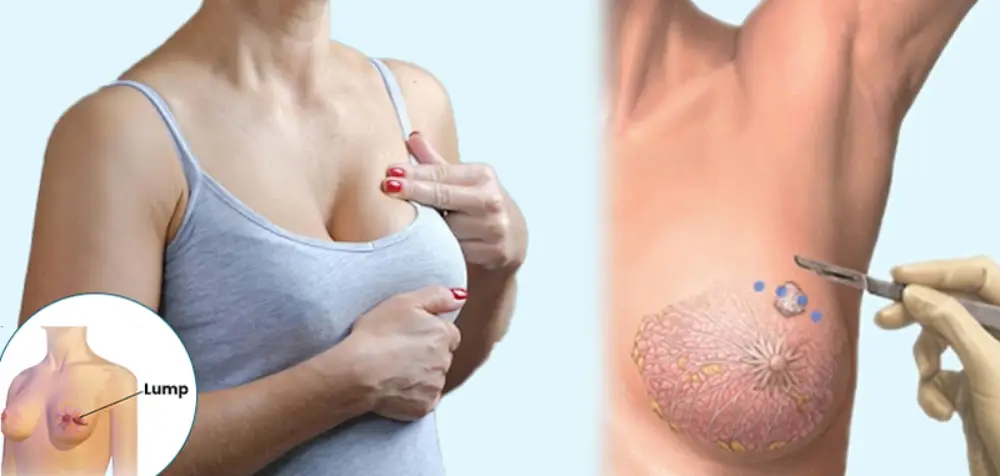
Fibroadenoma Excision What is Fibroadenoma Excision? Fibroadenoma excision is a surgical procedure to remove fibroadenomas—benign …
Chemoport insertion is a medical procedure used to implant a small, long-term venous access device—commonly called a chemoport or port-a-cath—under the skin. This device provides a safe, reliable, and convenient way to deliver medications or draw blood without repeatedly puncturing the veins.
A chemoport consists of two main parts: a small reservoir and a thin catheter. The catheter is inserted into a large vein, usually the superior vena cava near the heart, while the reservoir is placed just beneath the skin—typically on the chest or upper arm. This setup allows easy needle access for treatments like chemotherapy, long-term IV medications, or nutritional therapy, while keeping the device hidden and protected under the skin.
Chemoports are typically recommended for patients who need frequent or long-term intravenous (IV) treatments, minimizing the discomfort and complications associated with repeated IV insertions.
Common indications include:
Chemotherapy:
For cancer patients undergoing multiple chemotherapy sessions, chemoports protect veins from irritation caused by strong drugs and make treatment sessions more comfortable.
Long-Term IV Medications:
For patients requiring extended antibiotic or antifungal therapy, a chemoport provides a safe and durable venous access route.
Parenteral Nutrition:
When patients cannot eat or absorb nutrients through the digestive system, chemoports allow direct nutrient delivery into the bloodstream.
Frequent Blood Sampling:
Patients needing regular blood draws for treatment monitoring can benefit from easier and less painful access via the port.
While the chemoport itself doesn’t produce symptoms, certain clinical needs may indicate its necessity. Some key signs and benefits include:
Damaged or Difficult Vein Access:
Ideal for patients with fragile or scarred veins from repeated IV use, reducing pain and complications.
Chronic Conditions Requiring IV Therapy:
Conditions such as cancer, Crohn’s disease, or cystic fibrosis often require long-term IV medications that are best administered through a port.
Improved Comfort and Convenience:
Eliminates the need for frequent needle pricks, providing patients with a smoother treatment experience.
Lower Risk of Vein Inflammation:
By using a central line instead of smaller veins, chemoports help prevent phlebitis (vein inflammation) and vein scarring.
Chemoport insertion is a minimally invasive procedure performed under local anesthesia—sometimes with mild sedation. It typically takes 30 to 60 minutes.
The skin is cleaned and sterilized.
A small incision is made on the chest or upper arm.
The catheter is guided into a large vein near the heart.
The reservoir (port) is placed beneath the skin and connected to the catheter.
The incision is closed with sutures, and a sterile dressing is applied.
Once healed, the port forms a slight bump under the skin, allowing healthcare professionals to access it with a special needle for infusions or blood draws.
After the procedure, mild swelling or tenderness at the insertion site is normal and typically subsides within a few days. Patients should:
Keep the incision area clean and dry until healed.
Avoid heavy lifting or strenuous activity for the first few days.
Ensure the port is flushed regularly to prevent clot formation and maintain function.
While generally safe, minor risks such as infection, blood clot formation, or device malfunction may occur and should be promptly reported to the healthcare provider.
1. How long can a chemoport stay in place?
A chemoport can safely remain for months or even years, depending on treatment needs. It is removed once therapy is completed.
2. Is the procedure painful?
Chemoport insertion is performed under local anesthesia, so patients may feel only mild pressure or discomfort during the procedure.
3. Can I bathe or swim with a chemoport?
Once the incision has fully healed, normal activities like bathing and swimming are generally safe, unless advised otherwise by your doctor.
4. How is the chemoport maintained?
The port must be flushed every 4–6 weeks with saline and heparin to prevent blockage, even when not in active use.
5. What complications should I watch for?
Contact your doctor if you notice redness, swelling, pain, or fluid leakage at the port site, as these may indicate infection or device issues.
Fibroadenoma Excision What is Fibroadenoma Excision? Fibroadenoma excision is a surgical procedure to remove fibroadenomas—benign …
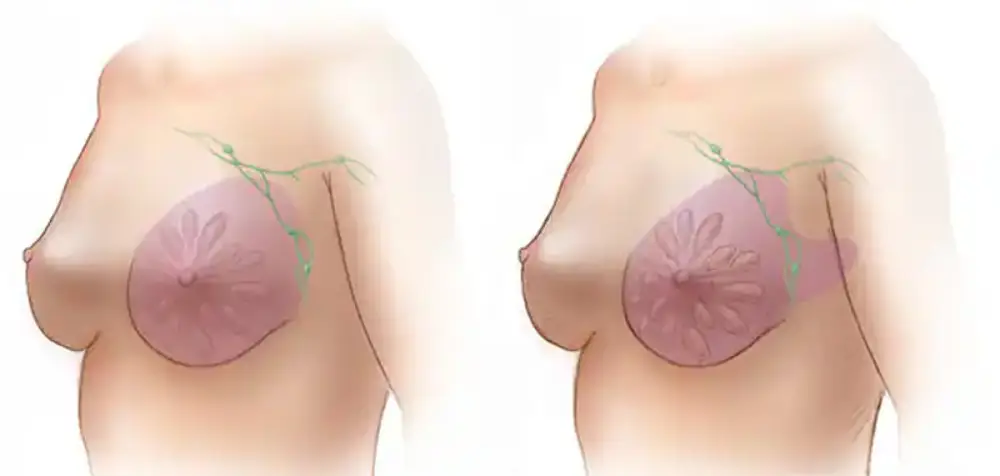
Breast Cysts Excision What is Breast Cyst Excision? Breast cyst excision is a surgical procedure …
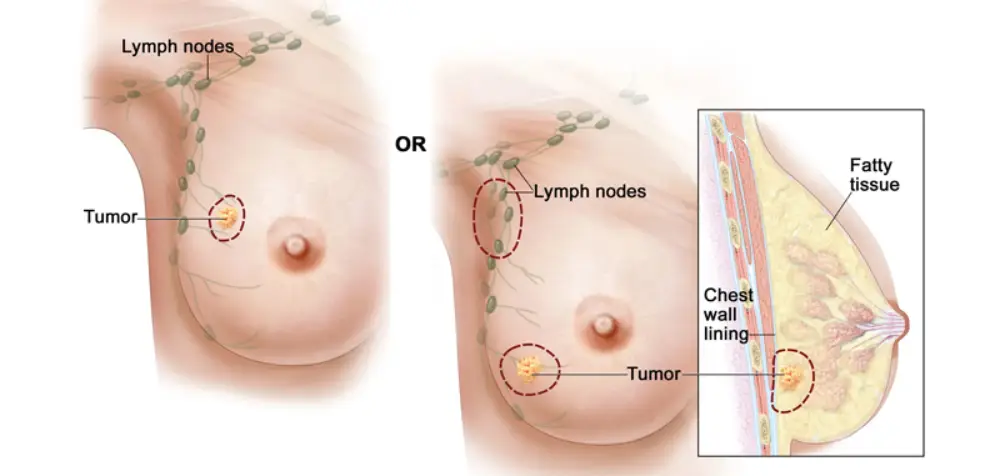
Simple Mastectomy What is a Simple Mastectomy? A simple mastectomy, also called a total mastectomy, …
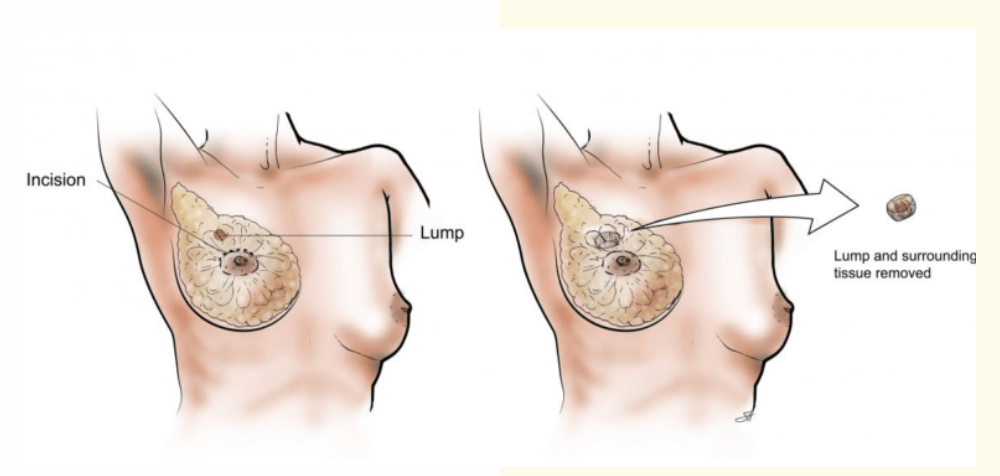
Breast Conservation Surgery What is Breast Conservation Surgery? Breast Conservation Surgery (BCS), also known as …
Jupiter Hospital, Thane
Service Rd, Eastern Express Hwy, next to Viviana Mall, Thane, Maharashtra 400601, India
KIMS Hospitals, Thane
Hiranandani Estate Queens Street, Ghodbunder Rd, opposite BRENTFORD, Patlipada, Thane West, Maharashtra 400607, India
Kaushalya Medical Foundation Trust Hospital. Thane
Ganeshwadi, behind Nitin Company, Panch Pakhdi, Thane, Maharashtra 400601, India
Horizon Prime Hospital, Thane
Vibgyor, Ghodbunder Rd, near Hiranandani Estate, behind Ritu Nissan Showroom, B Wing, Patlipada, Thane West, Thane, Maharashtra 400607, India
Tieten Medicity Hospital, Thane
Ghodbunder Rd, Kasarvadavali, Thane West, Thane, Maharashtra 400615, India
Currare Hospital, Thane
GHC Hospitals. Kalwa
Shil Road, Kausa, Mumbra, Thane, Maharashtra 400612, India
Bilal Hospital & ICU. Kalwa
1st Floor, A, Wing Royal Garden, Old, Mumbai – Pune Rd, near Shimla Park, Shimla Park, Kausa, Mumbra, Thane, Maharashtra 400612, India

At Dr. Ritika Bhandari’s Breast Health Clinic, we provide advanced, compassionate, and personalized care for all breast-related concerns. As a Breast Cancer Surgeon in Thane, Dr. Ritika Bhandari offers expert guidance for breast cancer diagnosis, treatment, and surgical care.