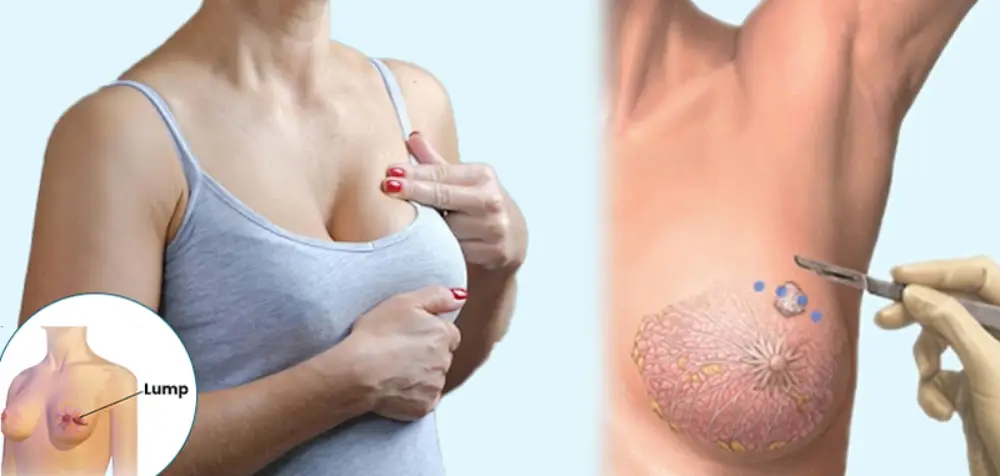
Fibroadenoma Excision What is Fibroadenoma Excision? Fibroadenoma excision is a surgical procedure to remove fibroadenomas—benign …
Implant-based breast reconstruction is a surgical procedure designed to restore the shape and symmetry of the breasts after a mastectomy or other significant breast-related conditions. It involves the placement of a saline or silicone implant to recreate the breast’s natural contour. This method is one of the most common and effective reconstruction options for women who prefer not to use tissue from other parts of their body.
In addition to post-cancer recovery, this procedure may also be suitable for women with congenital breast deformities or trauma that has altered the breast’s shape or size.
Breast Cancer Treatment:
The most frequent reason for this procedure is reconstruction following a mastectomy performed due to breast cancer. Women with genetic mutations like BRCA1 or BRCA2 may also choose preventive mastectomy followed by reconstruction.
Benign Breast Conditions:
Severe infections, benign tumors, or chronic diseases affecting breast tissue may cause damage requiring reconstructive surgery.
Congenital Breast Deformities:
Conditions such as Poland syndrome or underdeveloped breasts can result in asymmetry, which can be corrected using implants for a balanced appearance.
Trauma or Injury:
Accidents or injuries to the chest that affect the breast tissue may also make reconstruction necessary to restore natural appearance and confidence.
While not always medically required, implant-based reconstruction offers several physical and emotional benefits, including:
Restored Symmetry and Shape:
Especially helpful for women who have undergone a unilateral mastectomy, restoring balance between both breasts.
Improved Self-Esteem and Confidence:
Reconstruction helps many women regain their sense of femininity and emotional well-being after breast loss.
Faster Recovery:
Compared to autologous (flap) reconstruction, implant-based procedures generally involve shorter surgery time and quicker recovery.
No Tissue Harvesting Needed:
As the procedure doesn’t require tissue removal from another body area, it avoids additional scars and donor-site healing.
Implant-based reconstruction can be performed in one or two stages depending on the patient’s anatomy, skin elasticity, and medical condition.
Single-Stage (Direct-to-Implant) Reconstruction:
The implant is placed immediately after mastectomy, usually when there’s adequate skin and muscle coverage.
Two-Stage Reconstruction:
A tissue expander is first placed to gradually stretch the skin and create a suitable pocket for the implant. Once the desired expansion is achieved (over several weeks or months), the expander is replaced with a permanent implant.
Both approaches aim to create natural-looking results while prioritizing patient safety and comfort.
After surgery, patients may experience mild swelling, tightness, or discomfort, which gradually subsides with recovery. Most women can return to regular activities within a few weeks. Regular follow-ups with the surgeon are essential to monitor healing and implant condition.
Proper wound care, gentle movement exercises, and emotional support all play a vital role in recovery. In some cases, revision surgery or implant replacement may be needed after several years to maintain desired results.
1. How long do breast implants last?
Breast implants are durable but not lifetime devices. On average, they may last 10–15 years, depending on individual factors and implant type.
2. Is implant-based reconstruction safe after breast cancer?
Yes. Once cancer treatment is complete and the patient is medically cleared, implant-based reconstruction is a safe and widely performed procedure.
3. Can reconstruction be done immediately after mastectomy?
Yes. Many women opt for immediate reconstruction, while others choose delayed reconstruction after healing from mastectomy or completing additional treatments like radiation.
4. Will the reconstructed breast feel natural?
While implants may not feel identical to natural breast tissue, they provide a realistic contour and appearance under clothing.
5. What are the possible risks?
Like all surgeries, implant reconstruction carries minor risks such as infection, capsular contracture, or implant leakage, which can be managed with timely medical care and follow-up.
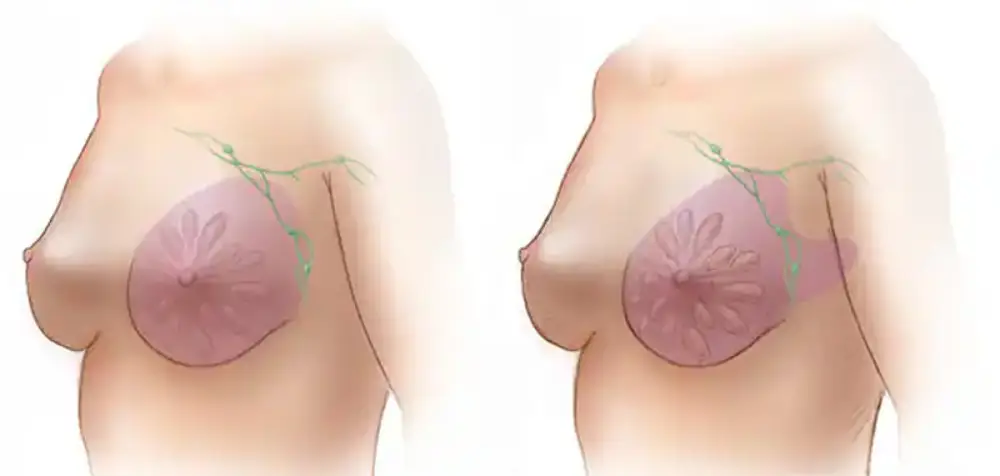
Fibroadenoma Excision What is Fibroadenoma Excision? Fibroadenoma excision is a surgical procedure to remove fibroadenomas—benign …
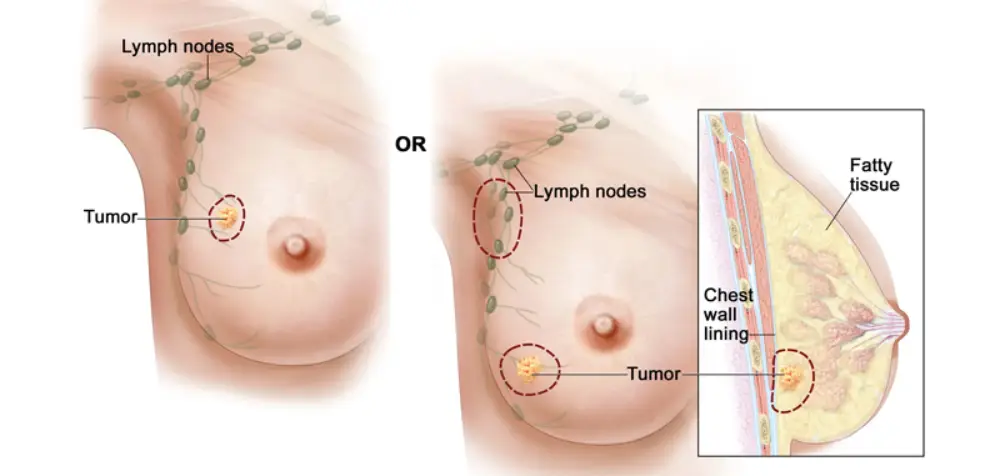
Breast Cysts Excision What is Breast Cyst Excision? Breast cyst excision is a surgical procedure …
Simple Mastectomy What is a Simple Mastectomy? A simple mastectomy, also called a total mastectomy, …
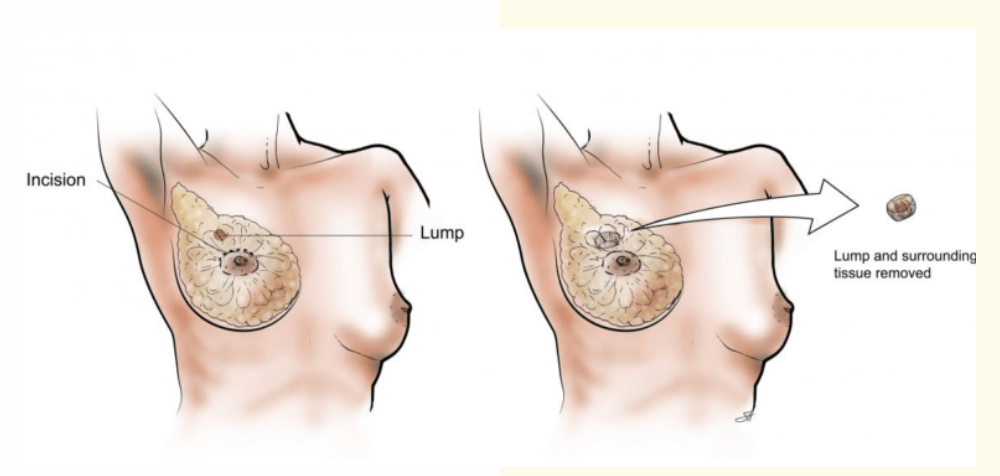
Breast Conservation Surgery What is Breast Conservation Surgery? Breast Conservation Surgery (BCS), also known as …
Jupiter Hospital, Thane
Service Rd, Eastern Express Hwy, next to Viviana Mall, Thane, Maharashtra 400601, India
KIMS Hospitals, Thane
Hiranandani Estate Queens Street, Ghodbunder Rd, opposite BRENTFORD, Patlipada, Thane West, Maharashtra 400607, India
Kaushalya Medical Foundation Trust Hospital. Thane
Ganeshwadi, behind Nitin Company, Panch Pakhdi, Thane, Maharashtra 400601, India
Horizon Prime Hospital, Thane
Vibgyor, Ghodbunder Rd, near Hiranandani Estate, behind Ritu Nissan Showroom, B Wing, Patlipada, Thane West, Thane, Maharashtra 400607, India
Tieten Medicity Hospital, Thane
Ghodbunder Rd, Kasarvadavali, Thane West, Thane, Maharashtra 400615, India
Currare Hospital, Thane
GHC Hospitals. Kalwa
Shil Road, Kausa, Mumbra, Thane, Maharashtra 400612, India
Bilal Hospital & ICU. Kalwa
1st Floor, A, Wing Royal Garden, Old, Mumbai – Pune Rd, near Shimla Park, Shimla Park, Kausa, Mumbra, Thane, Maharashtra 400612, India

At Dr. Ritika Bhandari’s Breast Health Clinic, we provide advanced, compassionate, and personalized care for all breast-related concerns. As a Breast Cancer Surgeon in Thane, Dr. Ritika Bhandari offers expert guidance for breast cancer diagnosis, treatment, and surgical care.