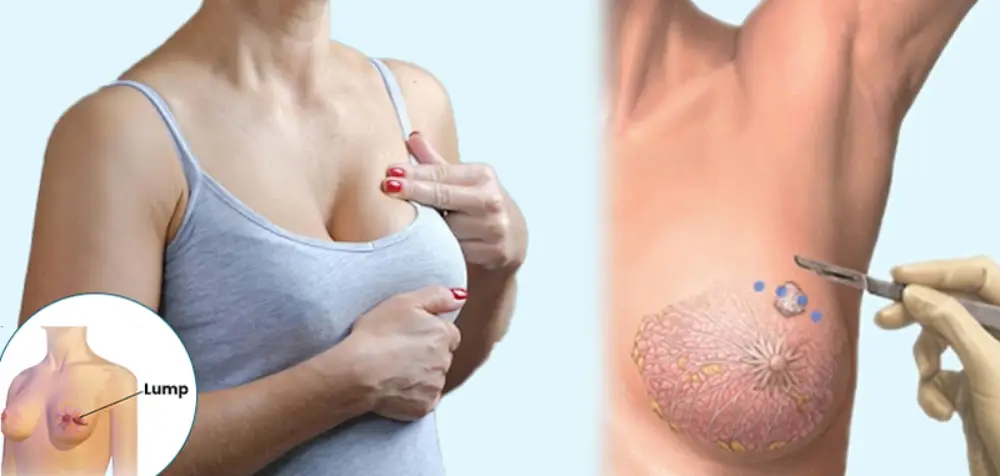
Fibroadenoma Excision What is Fibroadenoma Excision? Fibroadenoma excision is a surgical procedure to remove fibroadenomas—benign …
Pregnancy-Associated Breast Cancer (PABC) refers to breast cancer diagnosed during pregnancy or within the first year after delivery. Although rare, occurring in approximately 1 in 3,000 pregnancies, its incidence is increasing as more women delay childbearing. Diagnosing and treating PABC can be challenging because normal pregnancy-related changes in the breast may mask symptoms, but early detection is crucial to protect both mother and baby.
While the exact cause of PABC remains unknown, several factors contribute to its development:
Hormonal influence: High levels of estrogen and progesterone during pregnancy may stimulate the growth of hormone-sensitive cancer cells.
Maternal age: Breast cancer risk naturally increases with age, and pregnancies at later ages increase the chances of PABC.
Genetic predisposition: Women with a family history of breast cancer or BRCA1/BRCA2 mutations are at higher risk.
Breast tissue density: Pregnancy increases breast density, making it more difficult to detect abnormal lumps.
PABC symptoms are similar to those of breast cancer in non-pregnant women but may be harder to identify during pregnancy. Warning signs include:
A persistent lump in the breast that does not resolve.
Skin changes such as redness, dimpling, or puckering.
Nipple changes, including inversion or unusual discharge.
Breast swelling or asymmetry.
Localized pain or discomfort (though breast cancer is often painless).
Any breast change during pregnancy or postpartum should be promptly evaluated by a specialist.
Safe and accurate diagnosis is essential:
Ultrasound is the preferred imaging method during pregnancy as it does not use radiation.
Mammography may be performed if needed, with abdominal shielding to protect the fetus.
Biopsy is always required to confirm cancer and determine the best treatment plan.
Treatment is carefully tailored to protect the mother’s health while minimizing risks to the baby. Management depends on the stage of cancer, gestational age, and overall health.
Surgery: Both lumpectomy and mastectomy can be performed safely during pregnancy. Sentinel lymph node biopsy may also be done if necessary.
Chemotherapy: Certain chemotherapy drugs are considered safe in the second and third trimesters. They are generally avoided in the first trimester due to risk of birth defects.
Radiation therapy: Usually postponed until after delivery because of the potential harm to the fetus.
Hormonal therapy and targeted therapy: Typically delayed until after childbirth.
Many women mistake PABC symptoms for normal pregnancy-related breast changes. However, timely consultation with a breast specialist ensures early diagnosis and treatment, significantly improving outcomes for both mother and child.
Dr. Ritika Bhandari provides compassionate and evidence-based care for women diagnosed with Pregnancy-Associated Breast Cancer. She works closely with obstetricians and oncologists to ensure a safe, multidisciplinary approach that prioritizes both maternal and fetal well-being.
Fibroadenoma Excision What is Fibroadenoma Excision? Fibroadenoma excision is a surgical procedure to remove fibroadenomas—benign …
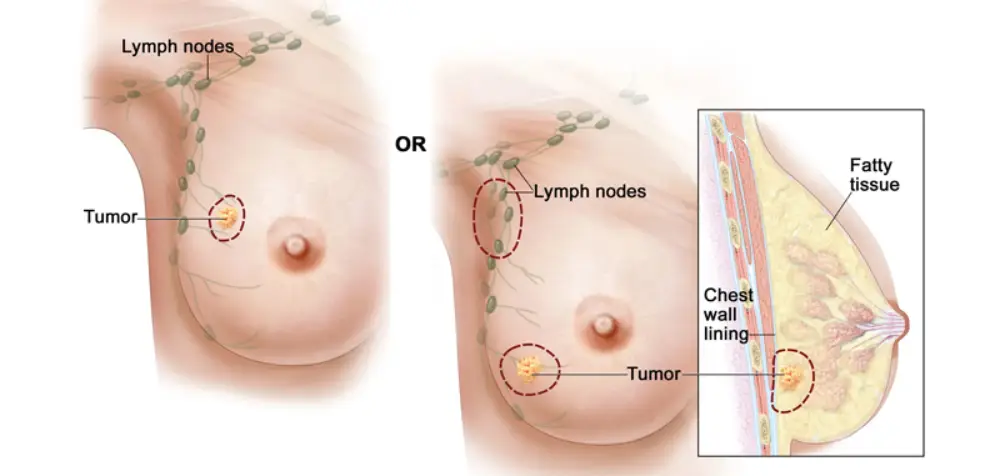
Breast Cysts Excision What is Breast Cyst Excision? Breast cyst excision is a surgical procedure …
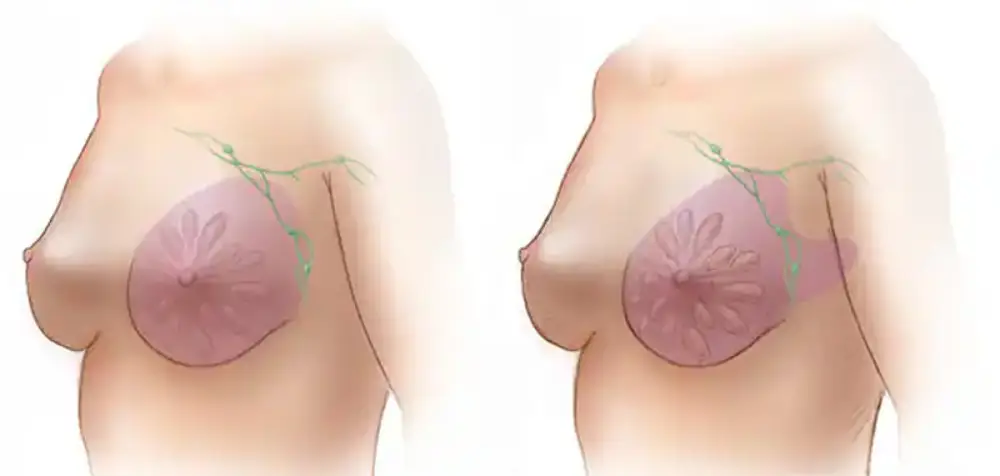
Simple Mastectomy What is a Simple Mastectomy? A simple mastectomy, also called a total mastectomy, …
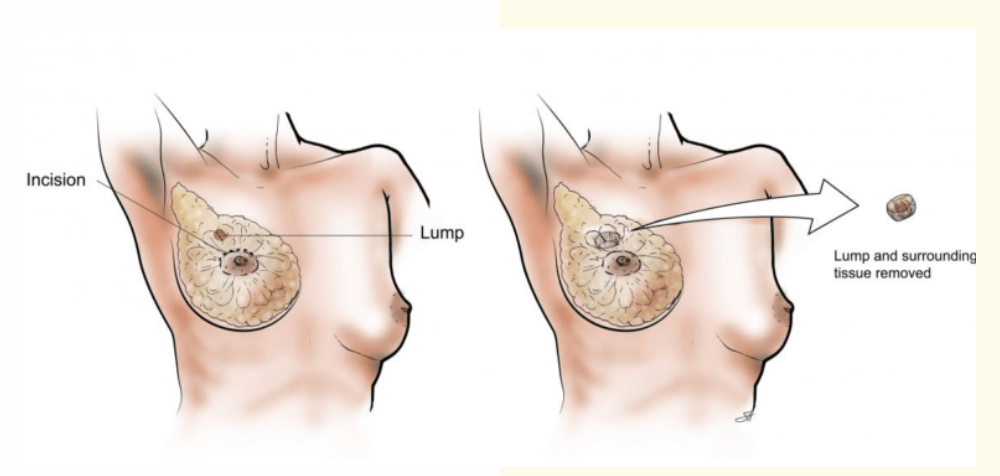
Breast Conservation Surgery What is Breast Conservation Surgery? Breast Conservation Surgery (BCS), also known as …
Jupiter Hospital, Thane
Service Rd, Eastern Express Hwy, next to Viviana Mall, Thane, Maharashtra 400601, India
KIMS Hospitals, Thane
Hiranandani Estate Queens Street, Ghodbunder Rd, opposite BRENTFORD, Patlipada, Thane West, Maharashtra 400607, India
Kaushalya Medical Foundation Trust Hospital. Thane
Ganeshwadi, behind Nitin Company, Panch Pakhdi, Thane, Maharashtra 400601, India
Horizon Prime Hospital, Thane
Vibgyor, Ghodbunder Rd, near Hiranandani Estate, behind Ritu Nissan Showroom, B Wing, Patlipada, Thane West, Thane, Maharashtra 400607, India
Tieten Medicity Hospital, Thane
Ghodbunder Rd, Kasarvadavali, Thane West, Thane, Maharashtra 400615, India
Currare Hospital, Thane
GHC Hospitals. Kalwa
Shil Road, Kausa, Mumbra, Thane, Maharashtra 400612, India
Bilal Hospital & ICU. Kalwa
1st Floor, A, Wing Royal Garden, Old, Mumbai – Pune Rd, near Shimla Park, Shimla Park, Kausa, Mumbra, Thane, Maharashtra 400612, India

At Dr. Ritika Bhandari’s Breast Health Clinic, we provide advanced, compassionate, and personalized care for all breast-related concerns. As a Breast Cancer Surgeon in Thane, Dr. Ritika Bhandari offers expert guidance for breast cancer diagnosis, treatment, and surgical care.